Udio alternatives for song generation and editing
Compare Wan2GP, ACE-Step and YuE for generating songs from prompts or lyrics, with different interfaces and controls over revisions.
Udio generates music from prompts and provides ways to revise sections of a song. That workflow appeals to writers testing lyrics, exploring a style or developing a track through several takes. The alternatives below focus on generating music and controlling those revisions, rather than promising the same sound or output quality.
Wan2GP offers a browser interface that runs several media models, including ACE-Step for music. ACE-Step provides lyric replacement and passage edits, while YuE creates an editable melody-and-chord score before rendering a new recording. DiffRhythm accepts lyrics and reference audio for longer songs. TTS WebUI gives another interface for trying music models alongside speech and audio tools.

A local AI media generator with a browser interface for video, images, music and speech, including select models that need just 6 GB of VRAM.

An open-source AI music model generates songs and instrumentals locally on NVIDIA GPUs or Apple Silicon, with lyric editing and track variations.
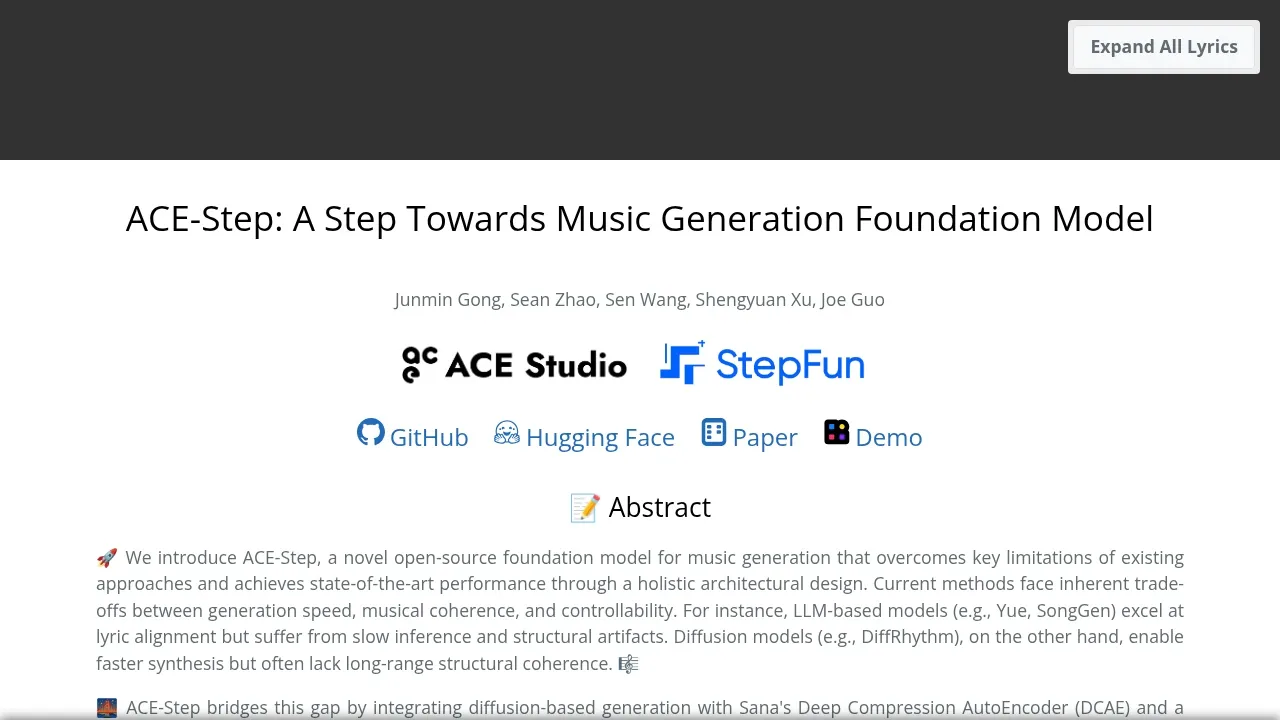
ACE-Step generates vocal or instrumental tracks from descriptions and lyrics, creates variations and replaces selected passages. Lyric replacement can keep melody and accompaniment, although larger edits can distort the result. It suits revising generated music rather than only starting new songs.

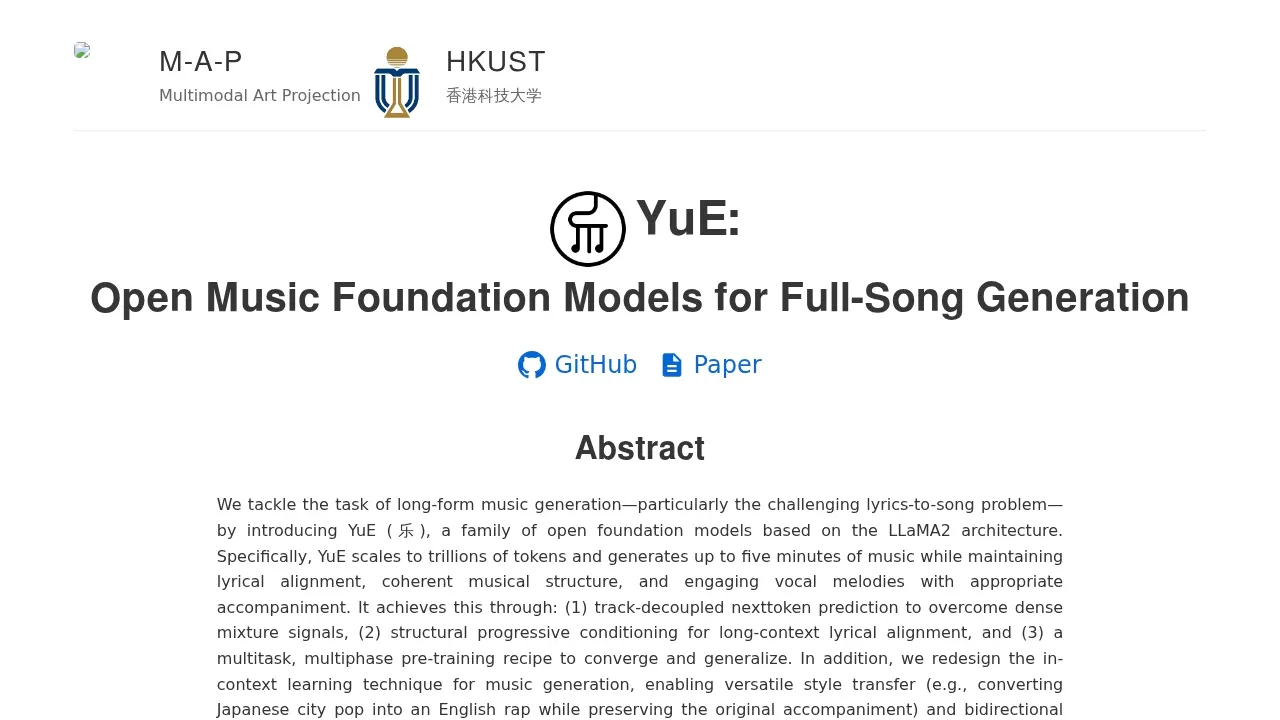
An open-source AI music generator that turns lyrics into songs with editable scores and runs locally on Linux with an NVIDIA GPU.

A local AI music generator that creates full-length songs with diffusion, supports Windows, Linux and Docker, and has Apache 2.0 licensing.

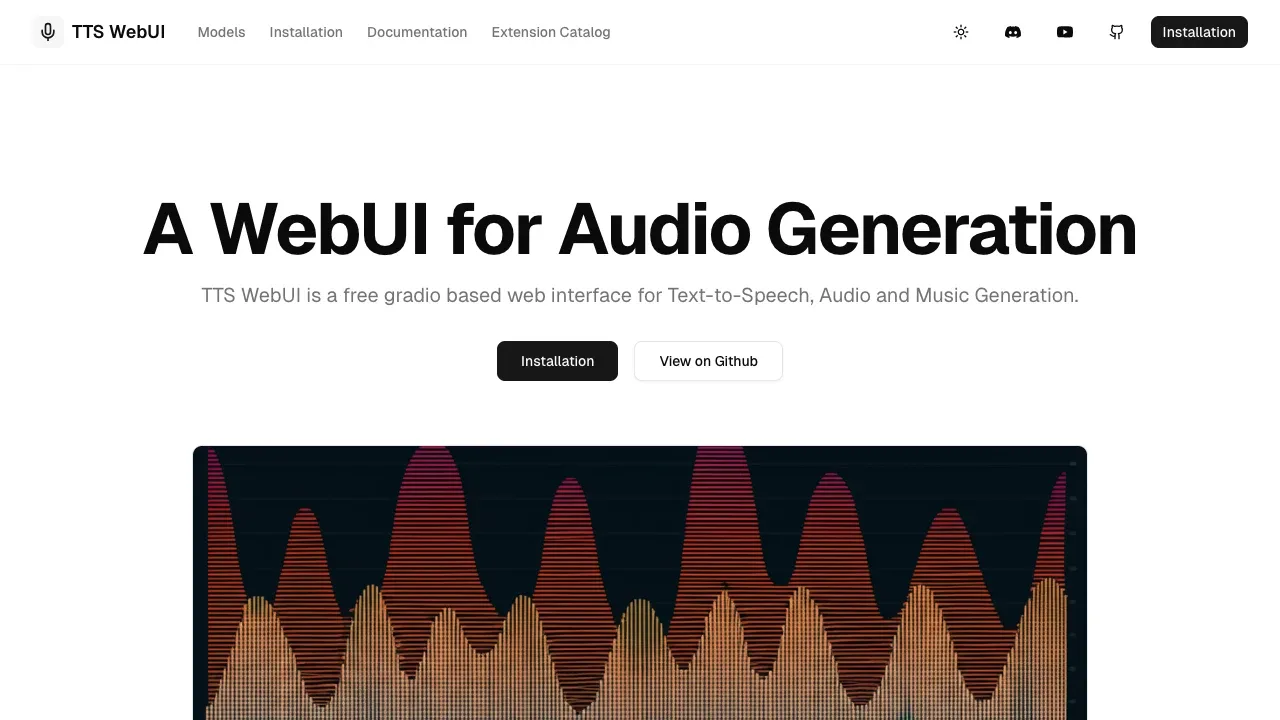
A self-hosted text-to-speech and music generation interface with audio editing tools, model extensions and an optional OpenAI-compatible speech API.
For Udio, start with Wan2GP. Other alternatives include ACE-Step, YuE, DiffRhythm and TTS WebUI.
Most are Music Generation; others include Music and Sound Models.
People also replace
See all
Suno alternatives

Runway alternatives



ElevenLabs alternatives


