Bolt alternatives for a self-hosted app workspace
Compare Bolt.diy, Dyad and OpenHands for prompt-based app development. See how model choice, project files and the coding workspace differ.
Bolt builds websites and web applications from prompts in a hosted workspace. Hosting and databases sit alongside generation, which makes it convenient to move from an idea to a working prototype in one place. A replacement changes both the coding interface and how you handle the services behind the resulting app.
Bolt.diy is a fork with a browser editor, terminal and your choice of model backend; commercial WebContainer use has separate licensing terms. Dyad offers a desktop builder with local project files and visual edits. OpenHands suits developers who want a coding agent platform they operate themselves. The main distinction is a guided app builder versus a broader development environment.

A self-hosted AI coding assistant for full-stack web apps, with local models through Ollama or LM Studio and a browser workspace or desktop app.
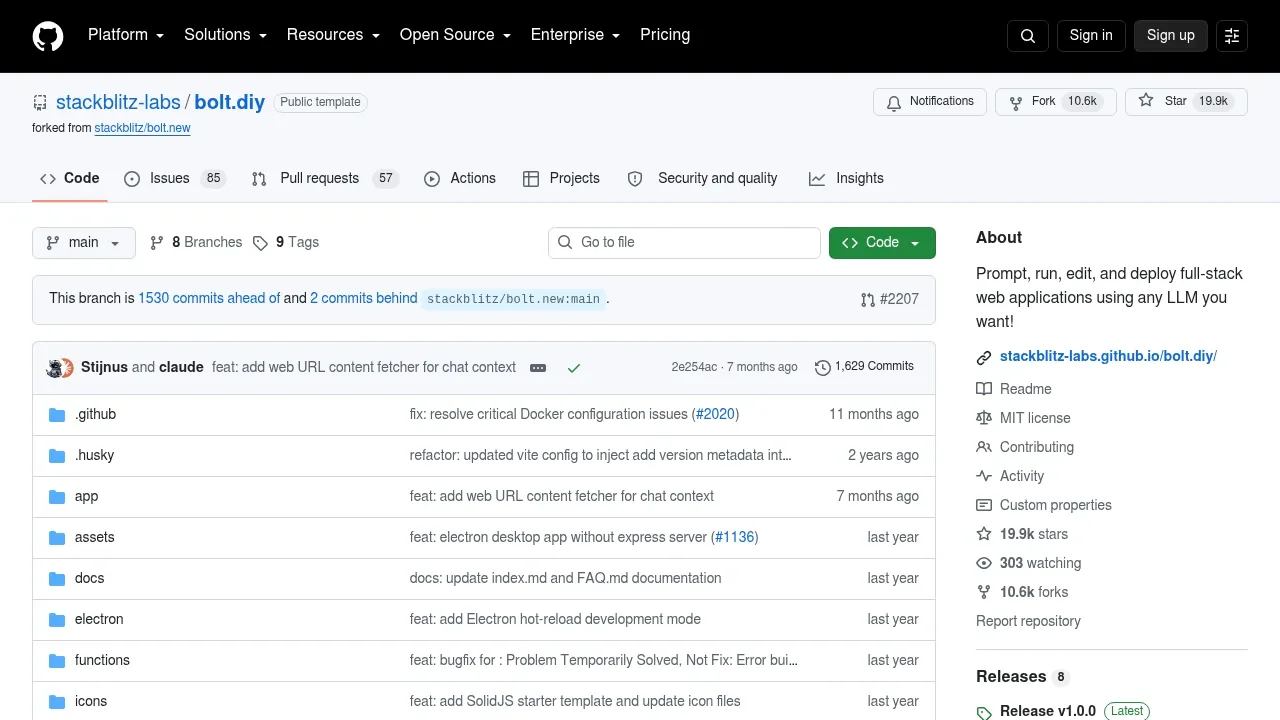
Bolt.diy covers Bolt full-stack web development with a browser editor, terminal and live preview. Choose a model backend, review diffs and restore snapshots, then export or push the project. It supports database and deployment connections; commercial WebContainers use has separate terms.

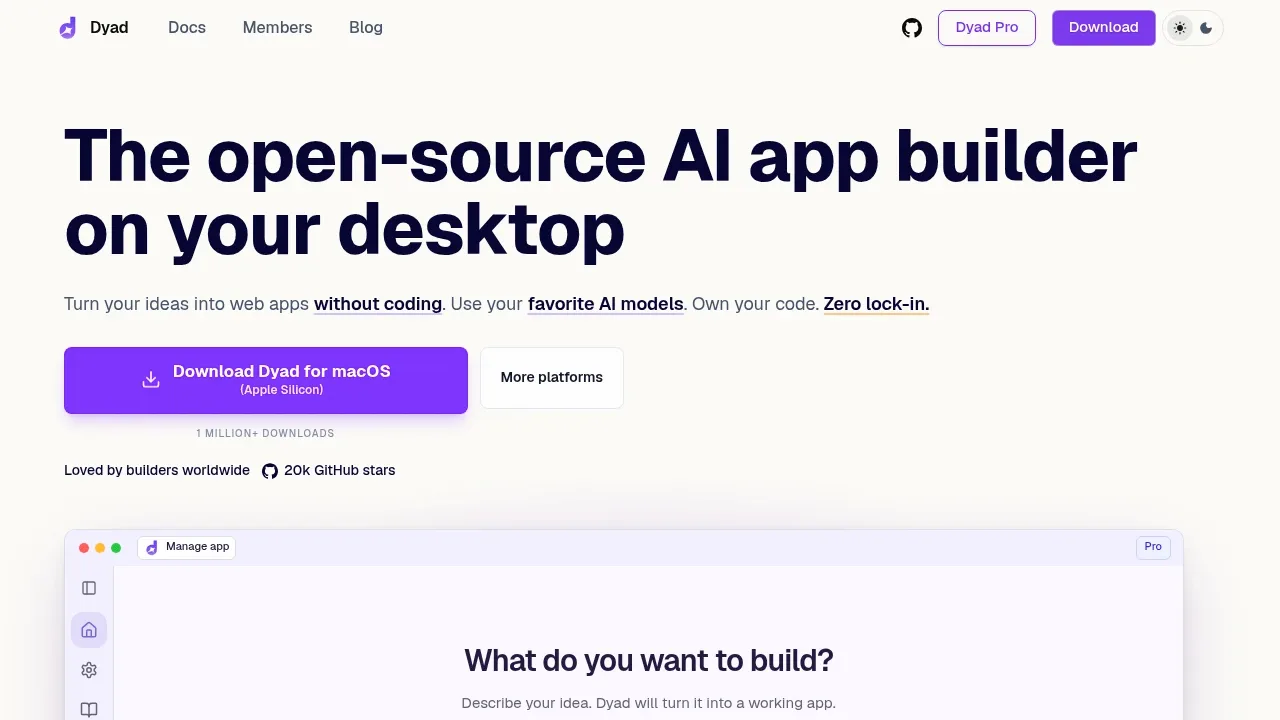
A local AI app builder that turns prompts into web apps, keeps project files on your machine and works offline with Ollama or LM Studio models.

A self-hosted visual editor for Next.js and Tailwind CSS websites that combines direct design changes with AI code editing.
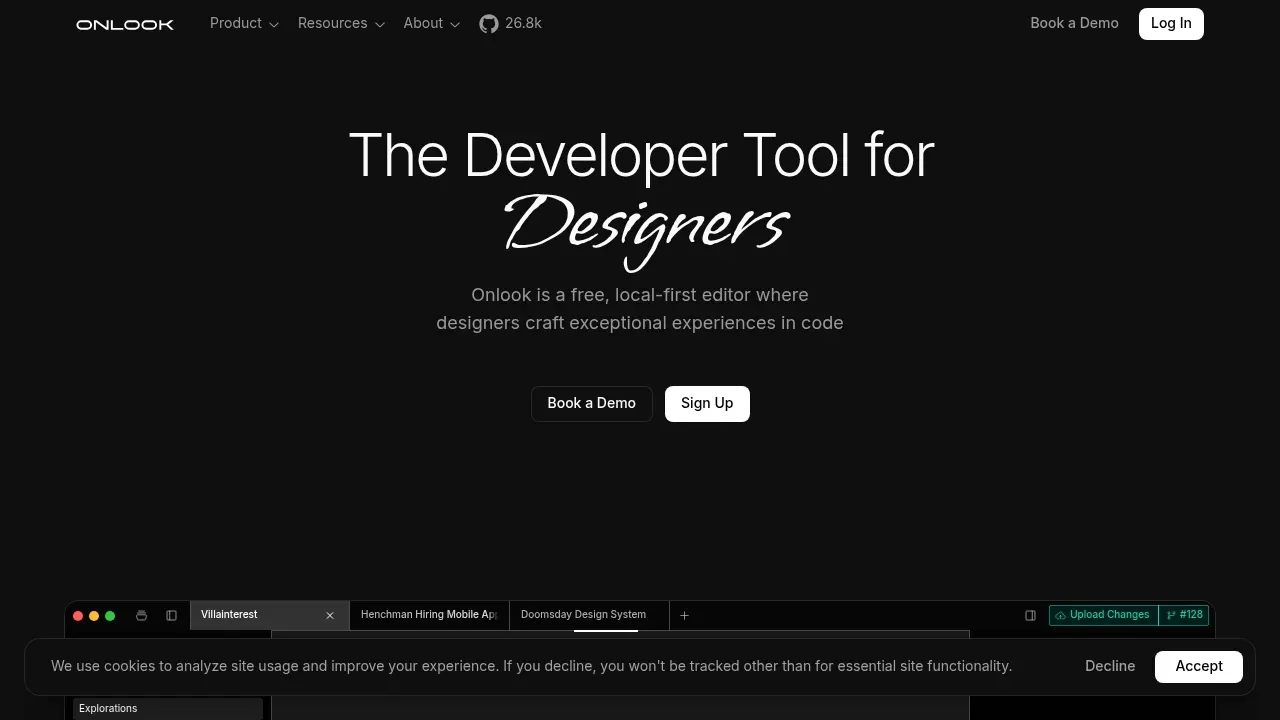
Onlook is a visual option for building the website itself: edit a live React preview, adjust layout and styling, or ask AI to change the code. Its open-source editor focuses on Next.js and Tailwind; AI services still need provider access.

A self-hosted AI app builder that runs coding agents in Docker on your server, with live previews, browser editing and task rollback.
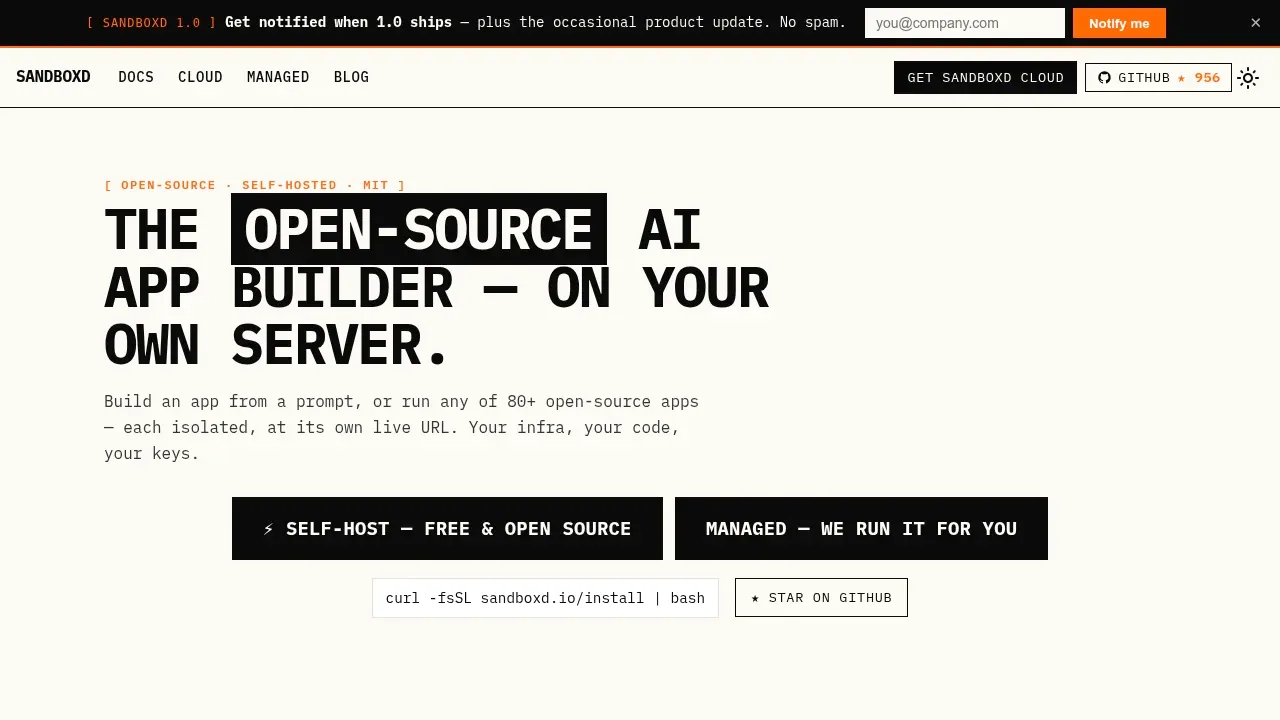
sandboxd suits running Bolt-style app building on your own server. Each app gets a Docker container and preview URL; the browser console combines agent chat, code editing and Git diffs. Task checkpoints support rollback. Built-in agents still use their configured model services.

A self-hosted AI coding agent platform runs locally or on servers, supports Claude Code and Codex, and automates engineering workflows.
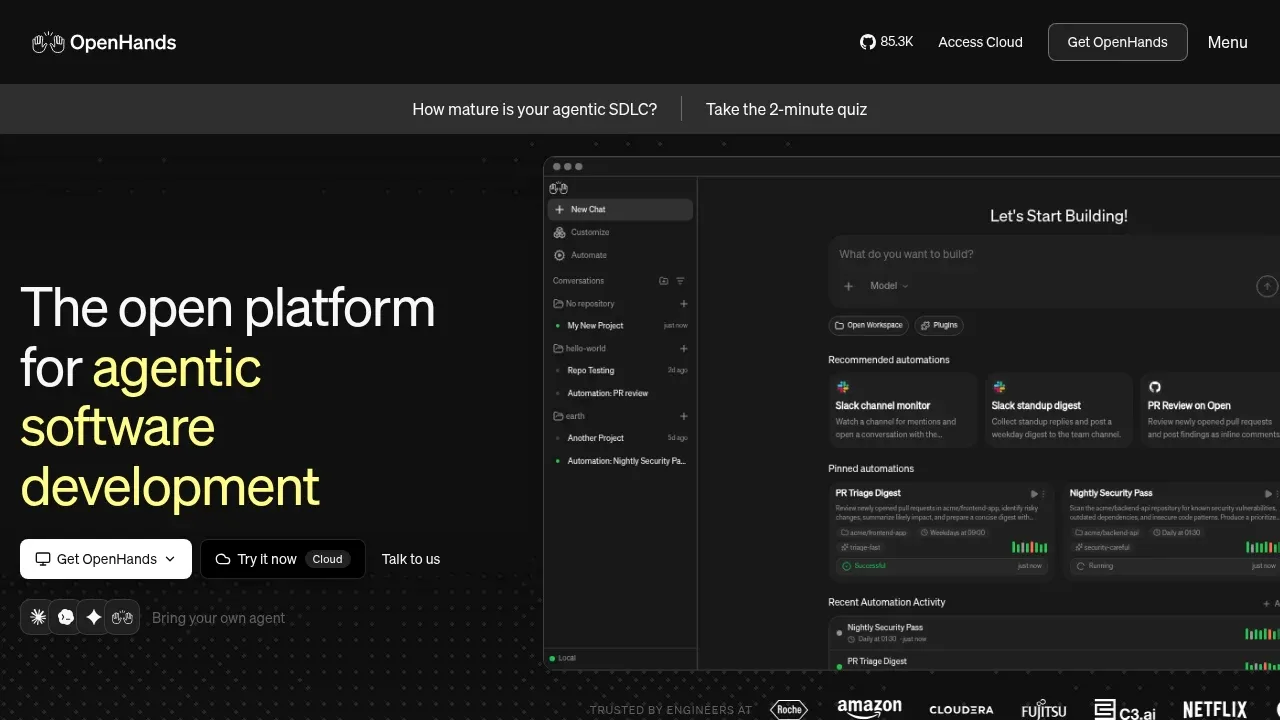
OpenHands covers Bolt development tasks when you need a broader coding agent environment. Agents change files, investigate failures, run checks and prepare pull requests. Operate its own agent on your infrastructure; it does not bundle Bolt's app hosting and managed services.

A self-hosted AI UI builder that renders interfaces from text descriptions and converts HTML to React or Svelte, using Ollama or cloud models.
OpenUI covers the interface-prototyping part of Bolt. Describe a component, refine the live rendering and convert its HTML to React, Svelte or Web Components. It is a narrower UI builder rather than a full development and deployment service, with local or hosted generation.
For Bolt, start with Bolt.diy. Other alternatives include Dyad, Onlook, sandboxd and OpenHands.
Most are Prompt-to-App Builders; others include AI Code Editors.
People also replace
See all
Lovable alternatives

Replit alternatives

v0 alternatives