Perplexity alternatives for self-hosted web search
Compare Vane, Morphic and SearXNG for self-hosted web research. Choose cited AI answers or direct search results, with online sources in either case.
Perplexity answers questions by searching the web and presenting sources alongside its response. That makes it useful when the next step is checking a claim or following a reference, rather than having an open-ended conversation. Replacing it means deciding how much of that answer-building process you want to manage.
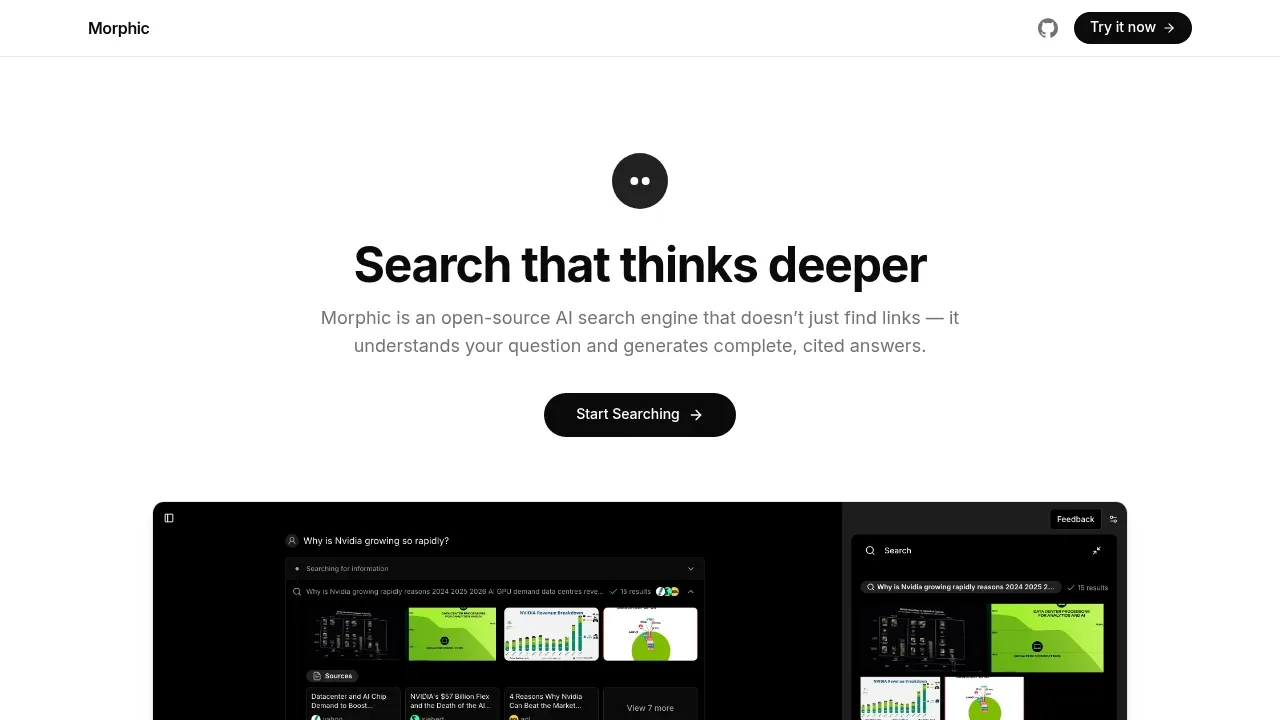
Vane (formerly Perplexica) combines cited answers with a choice of local or hosted model. Morphic offers quick searches and multi-step research in a self-hosted interface. SearXNG is the simpler option for inspecting results directly, without an AI-written answer. Web research still needs an internet connection even when the model runs on your hardware.

A self-hosted AI search engine that cites sources, answers questions about uploaded files, and supports local LLMs through Ollama or cloud providers.

A self-hosted AI search engine generates cited web answers, supports multi-step research and Ollama, and runs with Docker.

A self-hosted AI research assistant searches the web, academic papers and private documents, producing cited reports with local or cloud models.
Local Deep Research covers the longer investigation side of Perplexity. Research complex questions across websites, academic sources and your own document collections, then produce cited reports. Quick and autonomous modes differ in research depth; local or hosted models generate the report.

A self-hosted AI search engine with cited answers and recurring research agents, licensed under AGPL-3.0 and reliant on external services.
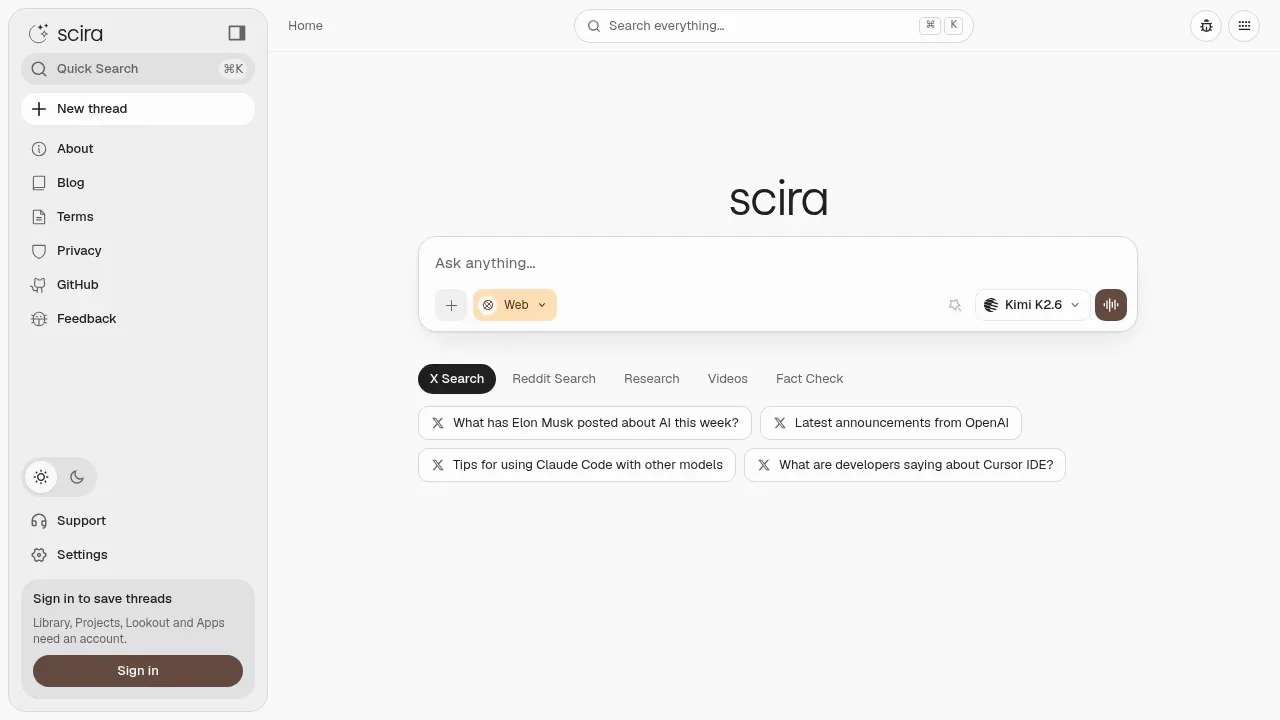
Scira offers cited answers, deeper multi-source research and dedicated academic, discussion and repository searches. You can self-host the application, while its live research relies on internet access and external services.

A self-hosted AI research agent that writes cited reports from web sources and local files, with support for Ollama and cloud models.
GPT Researcher suits Perplexity users who need an exportable research report rather than a short answer. It follows subtopics, combines web evidence with local files and writes inline citations. Export PDF, Word or Markdown reports; online searches and hosted models use external services.

A self-hosted AI agent app runs research and coding workflows with Docker sandboxes, supports Ollama and vLLM, and uses the MIT license.

A self-hosted AI workspace combines local or API model chat, autonomous agents, research and email, with Docker deployment and no telemetry.
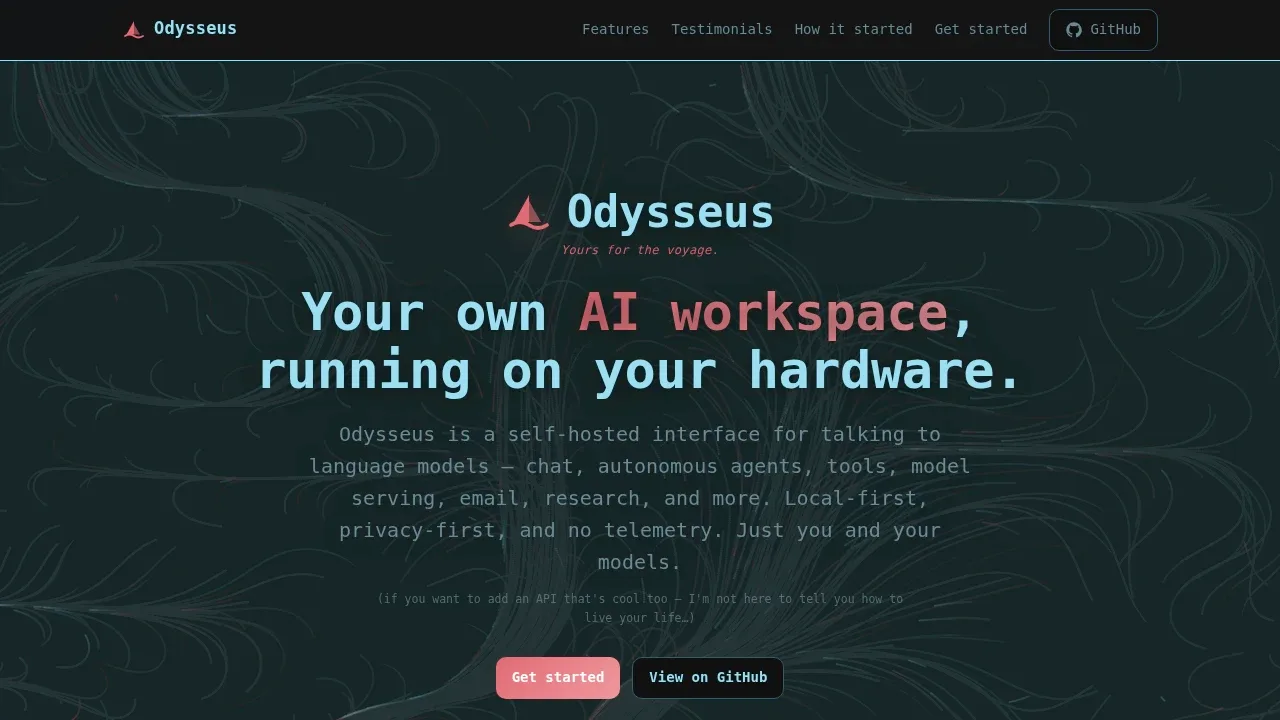

A self-hostable AI assistant that searches documents and the web, supports local or online LLMs, and runs custom agents and scheduled automations.
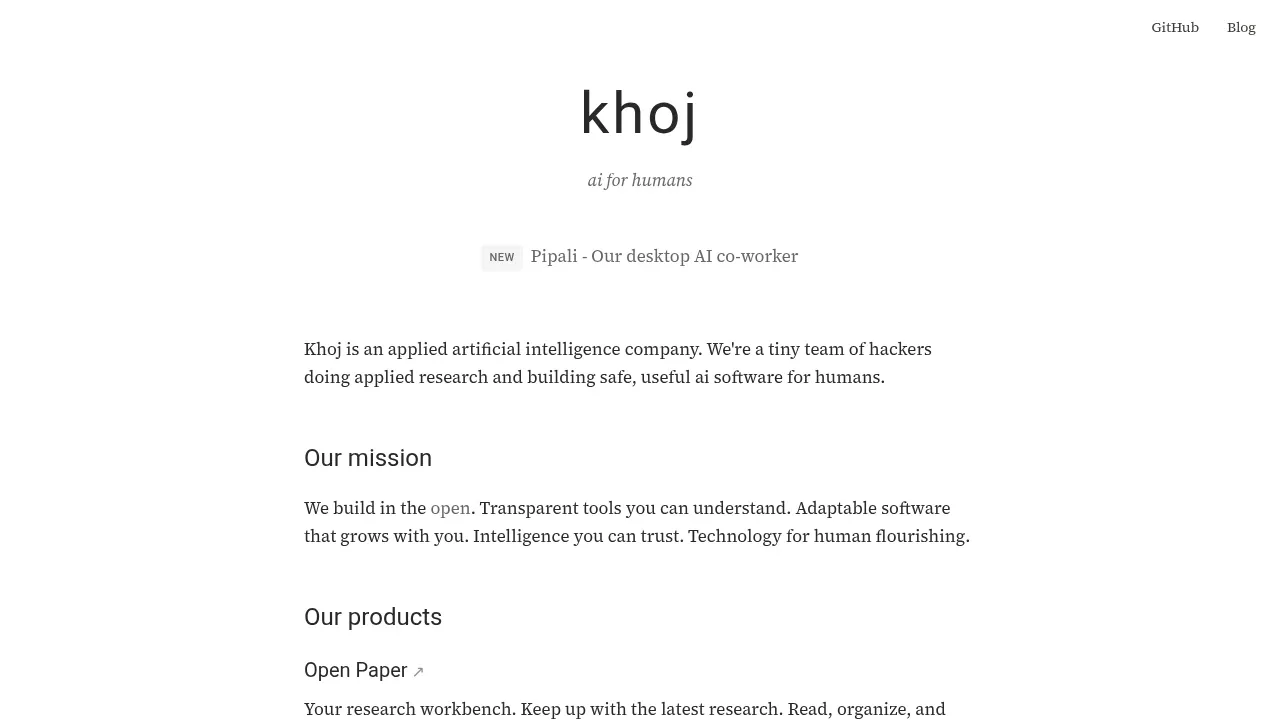
Khoj combines web research with semantic search over your own documents. It suits questions that need both public sources and personal reference material, with local or hosted models for the assistant.

Open-source AI search combines your knowledge base with web results. Self-host it with external APIs, or use the hosted service. Licensed under MIT.
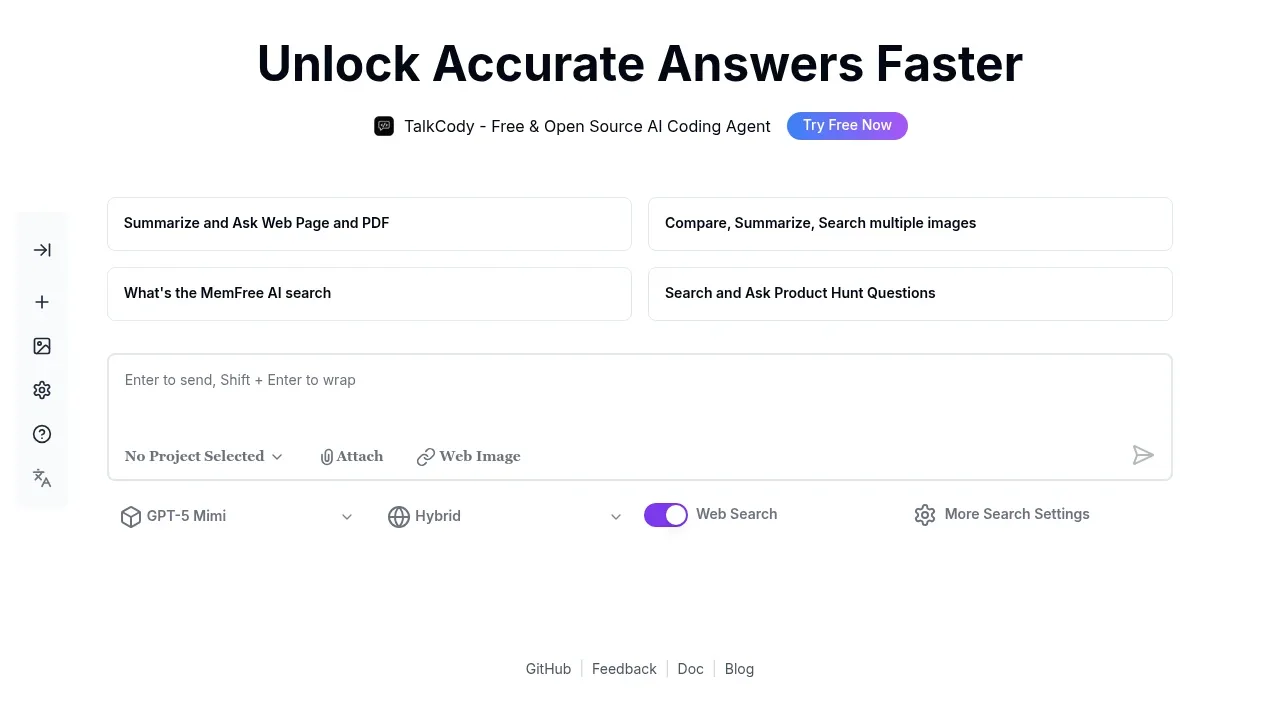
MemFree draws answers from saved documents, bookmarks and web results together. Its self-hosted setup still uses external model, search and storage services, so it does not provide an offline research workflow.

A local LLM chat app for Apple Silicon Macs that answers from your files, runs GGUF models offline, and supports optional remote model APIs.
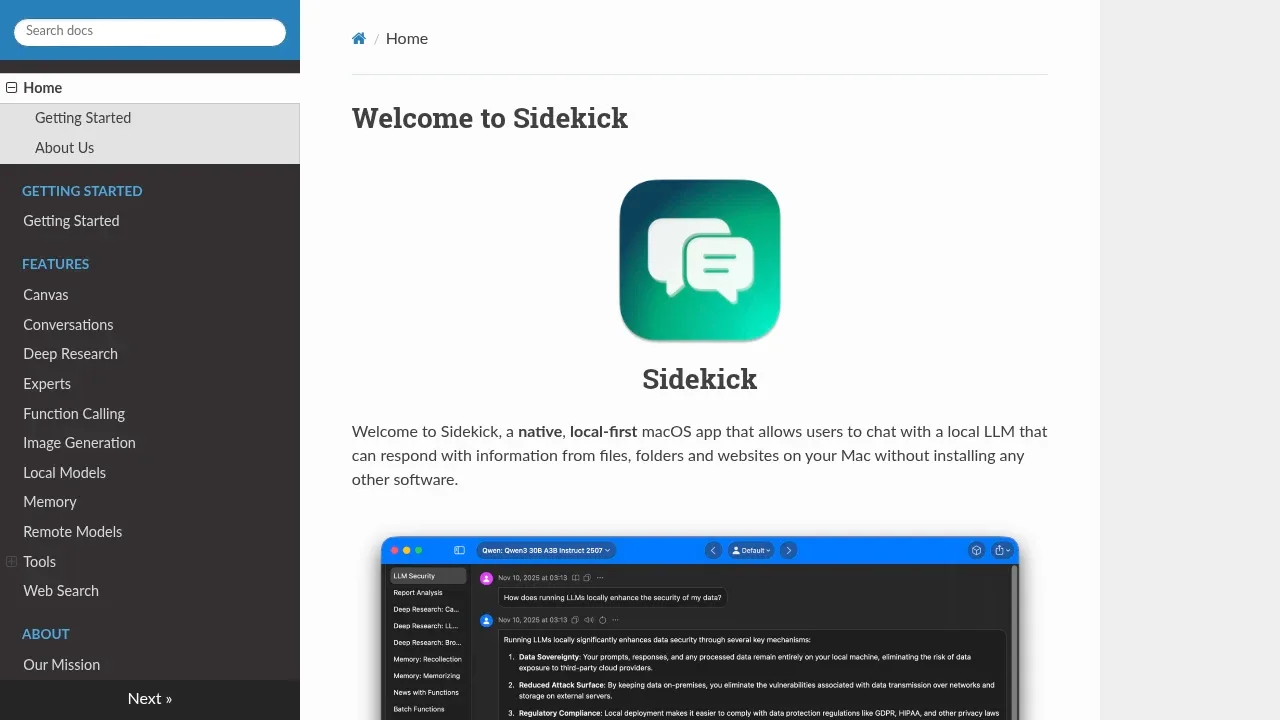
Sidekick covers web research that takes several searches and readings to answer a question. Deep Research combines the findings into a report, and you can keep related files in the same research collection.

A free, MIT-licensed desktop AI research assistant that runs analyses, reviews literature and records results using local or hosted models.
Kady suits scientific questions that need a literature review followed by analysis. It compares methods and checks claims against quoted passages, then keeps the analysis scripts and research records available for inspection.

A deep research agent for Claude Code and OpenAI Codex checks citations and stores sources in a searchable local vault; web research needs internet access.
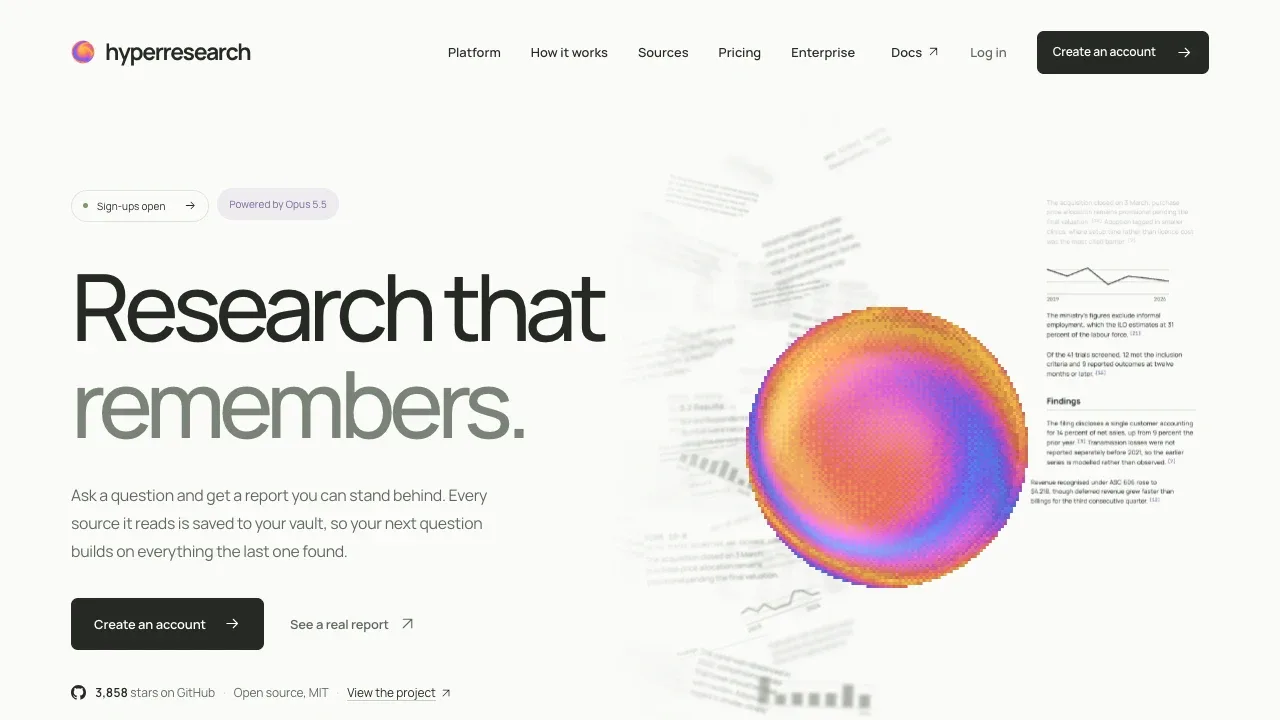
HyperResearch suits scholarly reports where citations and quotations need checking. It searches research sources and keeps a searchable source vault for later questions; the workflow requires Claude Code or Codex.

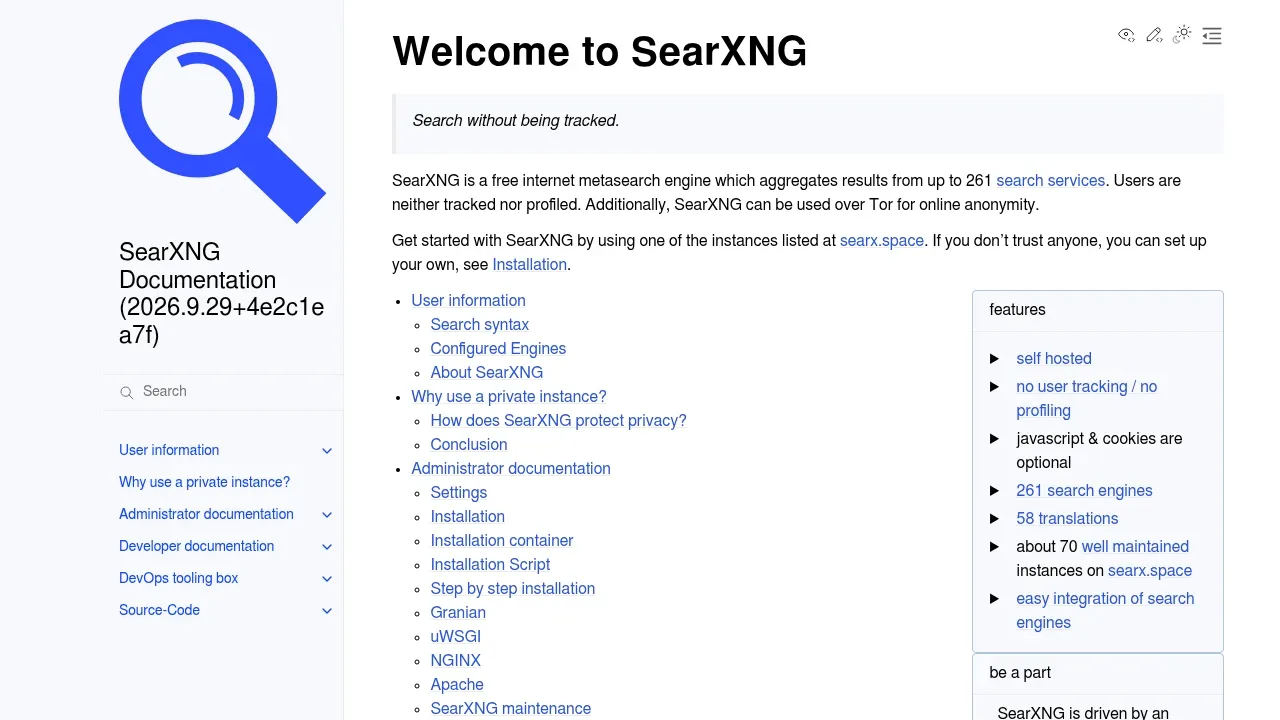
A self-hosted metasearch engine combines external search results without tracking users, with optional JavaScript and cookies and AGPL-3.0 licensing.

A self-hosted knowledge base answers questions about website content using Graph RAG, with an embeddable chat widget and TiDB Serverless storage.

An open-source AI agent framework builds agents and workflows from plain-language requests, with Docker-based execution and a choice of model APIs.
The bundled research mode retrieves information and carries out multi-step analytical tasks with configurable language models. This replaces the research-assistant workflow, rather than Perplexity's ready-to-use search site and entire service.

A local AI agent browses the web, writes and runs code, and plans tasks using Ollama, LM Studio or an OpenAI-compatible server.
For Perplexity, start with Vane (formerly Perplexica). Other alternatives include Morphic, Local Deep Research, Scira and GPT Researcher.
Most are AI Search and Deep Research; others include Chat With Your Documents.
People also replace
See all
Genspark alternatives


Manus alternatives


NotebookLM alternatives


