NotebookLM alternatives for source-based research
Compare Open Notebook, kotaemon and AnythingLLM for source-based research. NotebookLM is now Gemini Notebook; these picks organize files and cited answers.
NotebookLM is now Gemini Notebook, Google's research workspace for asking questions about material you supply. It combines source-grounded discussion with summaries and audio overviews, which makes it useful for studying a set of documents rather than starting from a blank chat. Replacing it depends on how you organize sources and verify answers.
Open Notebook keeps research sources, notes and configurable audio discussions together on your own server. kotaemon highlights cited passages in its PDF viewer, useful for checking an answer against the page. AnythingLLM organizes document workspaces with citations and agents. These NotebookLM alternatives offer different reading and review workflows, with the model backend chosen separately.

A desktop NotebookLM alternative that answers document questions with citations and creates reports or podcasts locally on Windows, macOS and Linux.
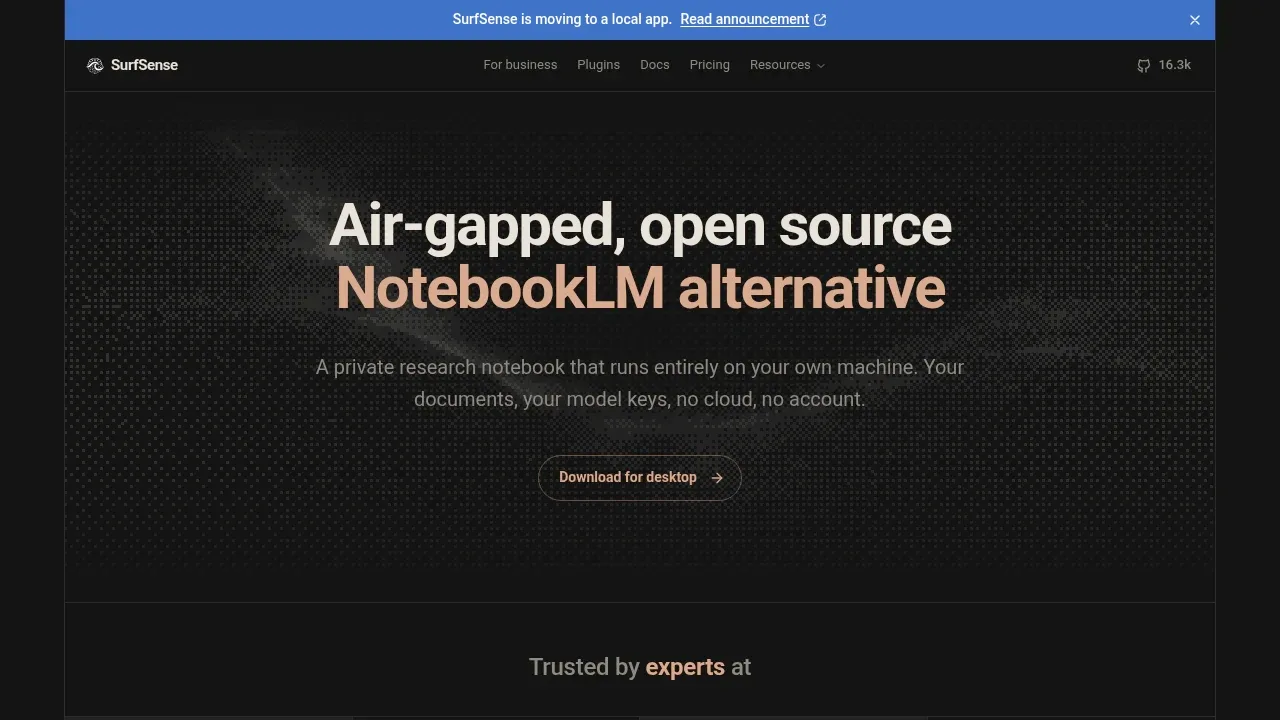
SurfSense organizes document questions with citations and creates reports, study materials and two-host podcasts from selected sources. Its desktop workflow suits NotebookLM users who want source-grounded work and editable outputs, with local processing or a chosen compatible model endpoint.

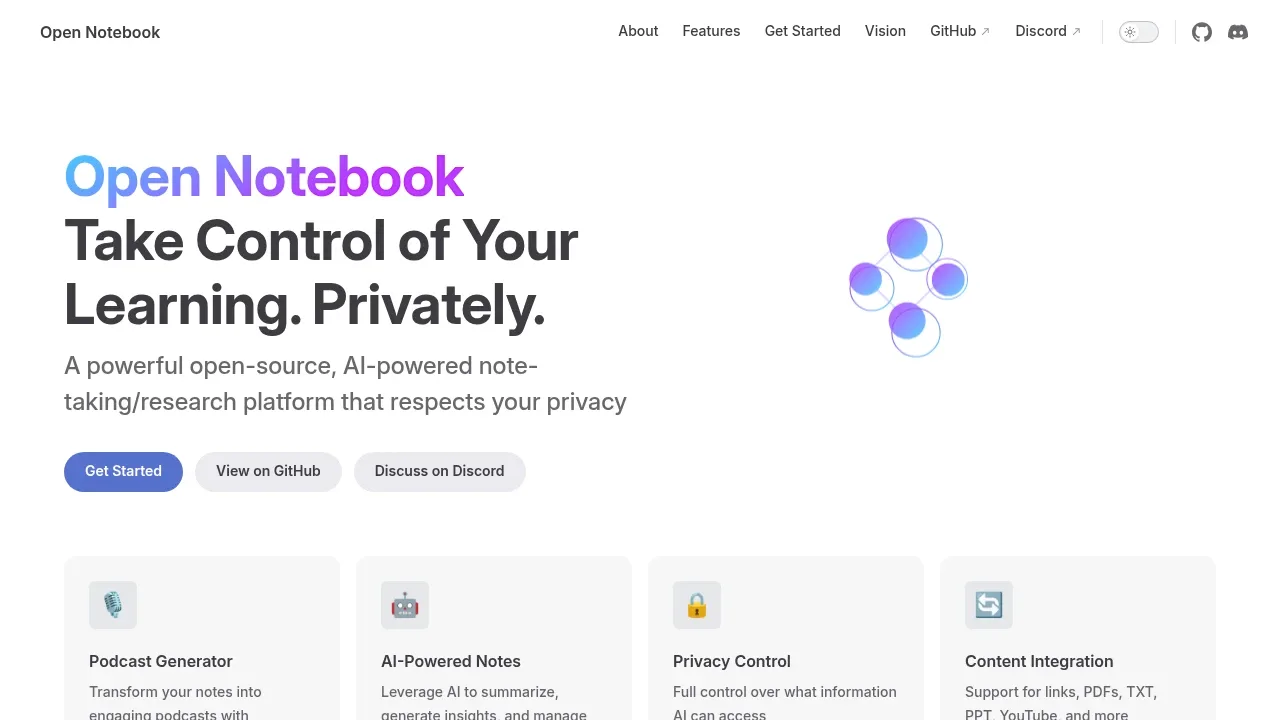
A self-hosted AI research notebook with cited answers, podcast generation and local model support through Ollama and LM Studio.

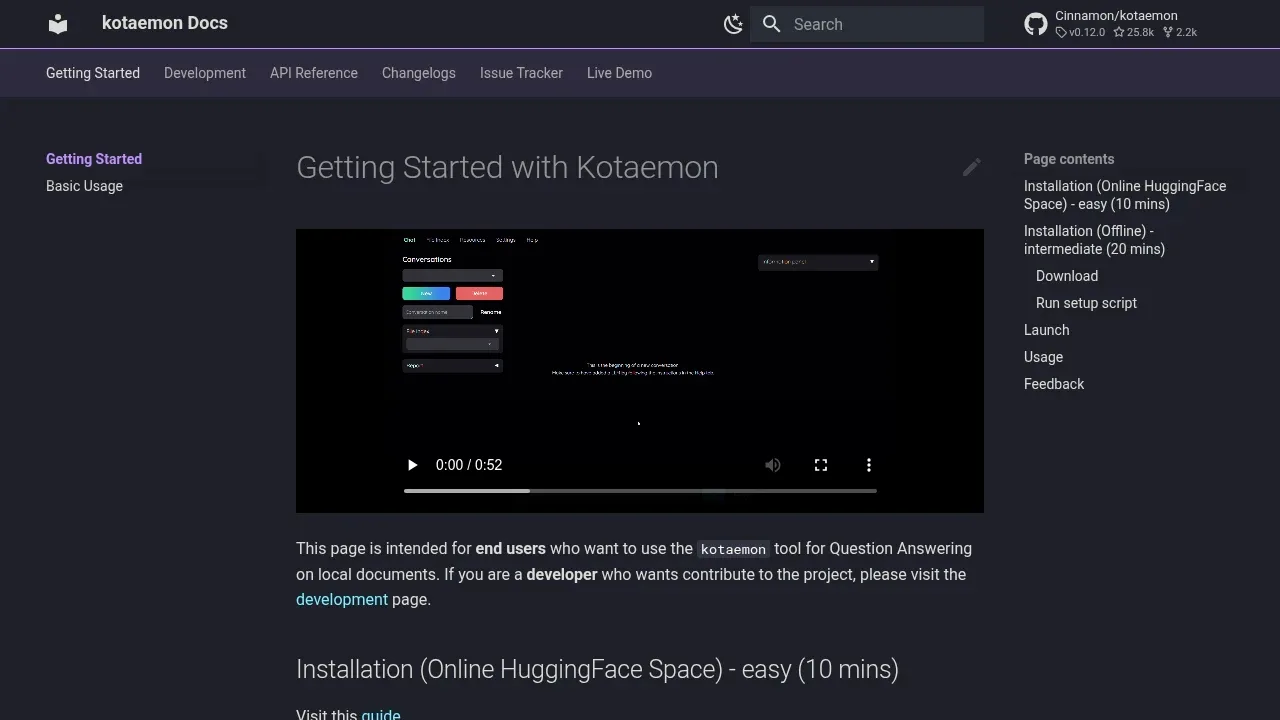
A self-hosted document chat app with cited answers, local models through Ollama or llama-cpp-python, and optional cloud APIs.

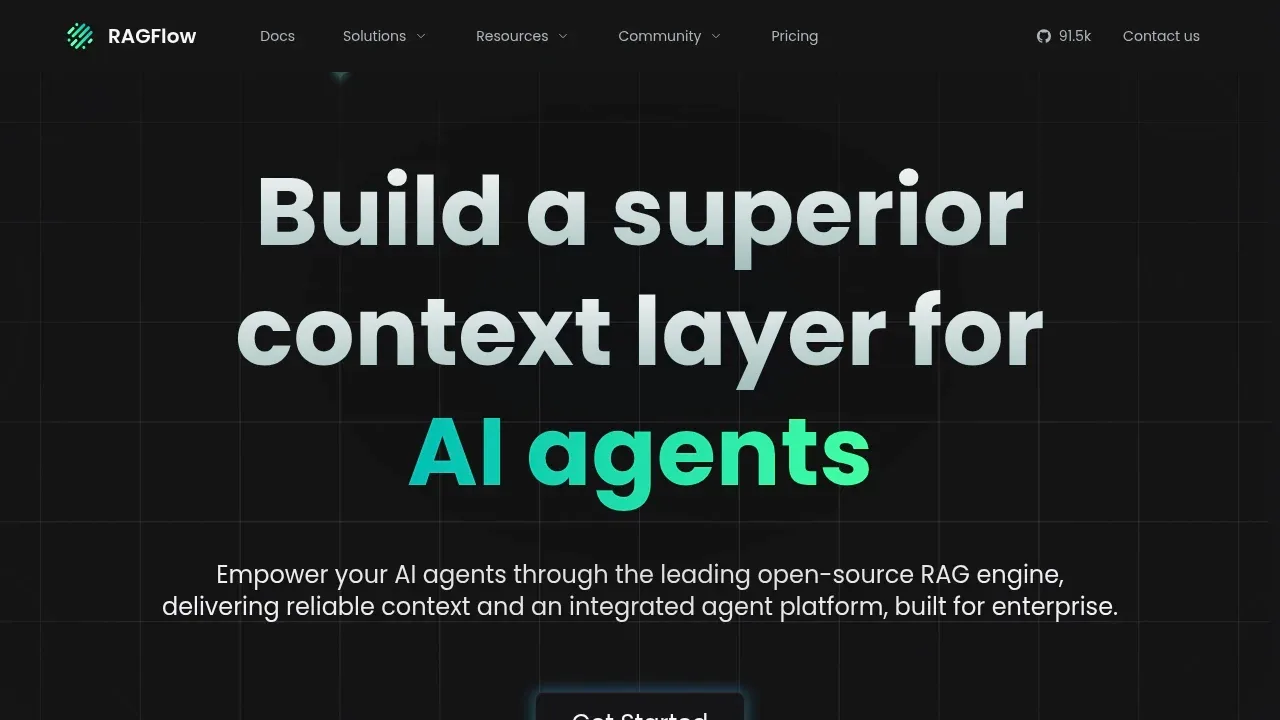
A self-hosted, open source RAG engine builds document-based AI agents with hybrid search, traceable citations and visual workflows.

A free local AI assistant for Windows, macOS, Linux and Android, with document chat, agents and a Docker option for self-hosted teams.
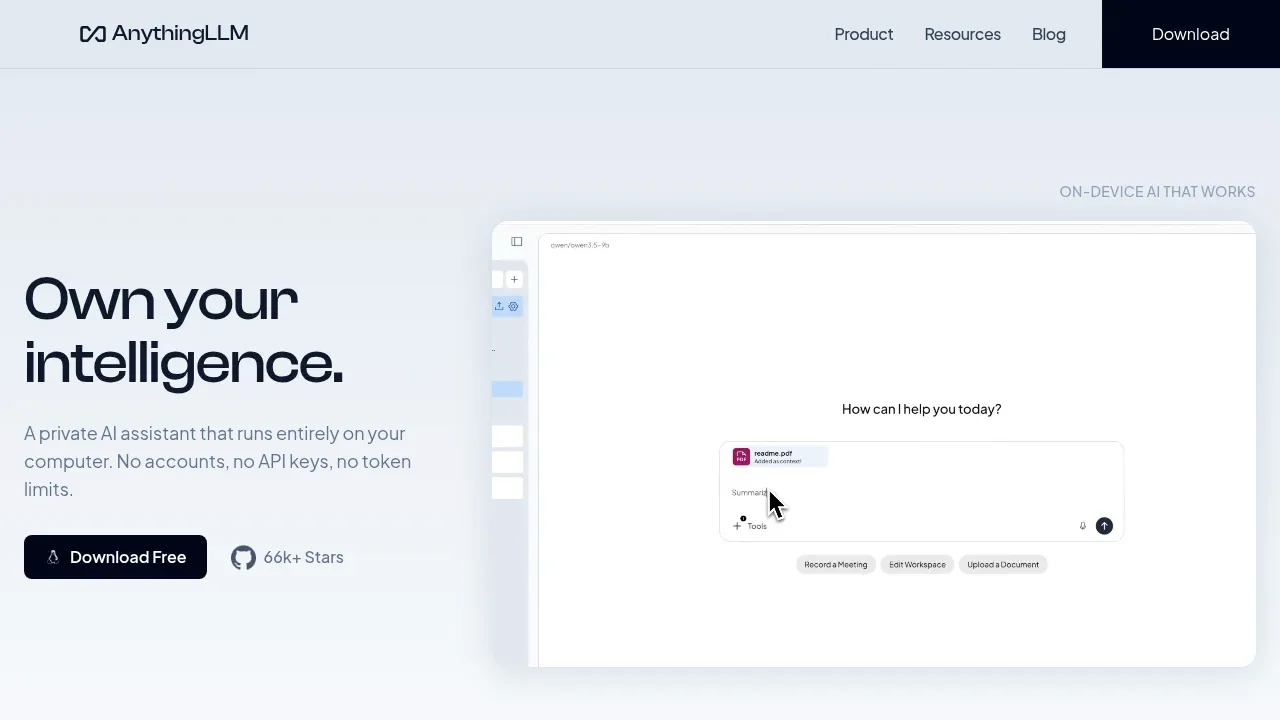

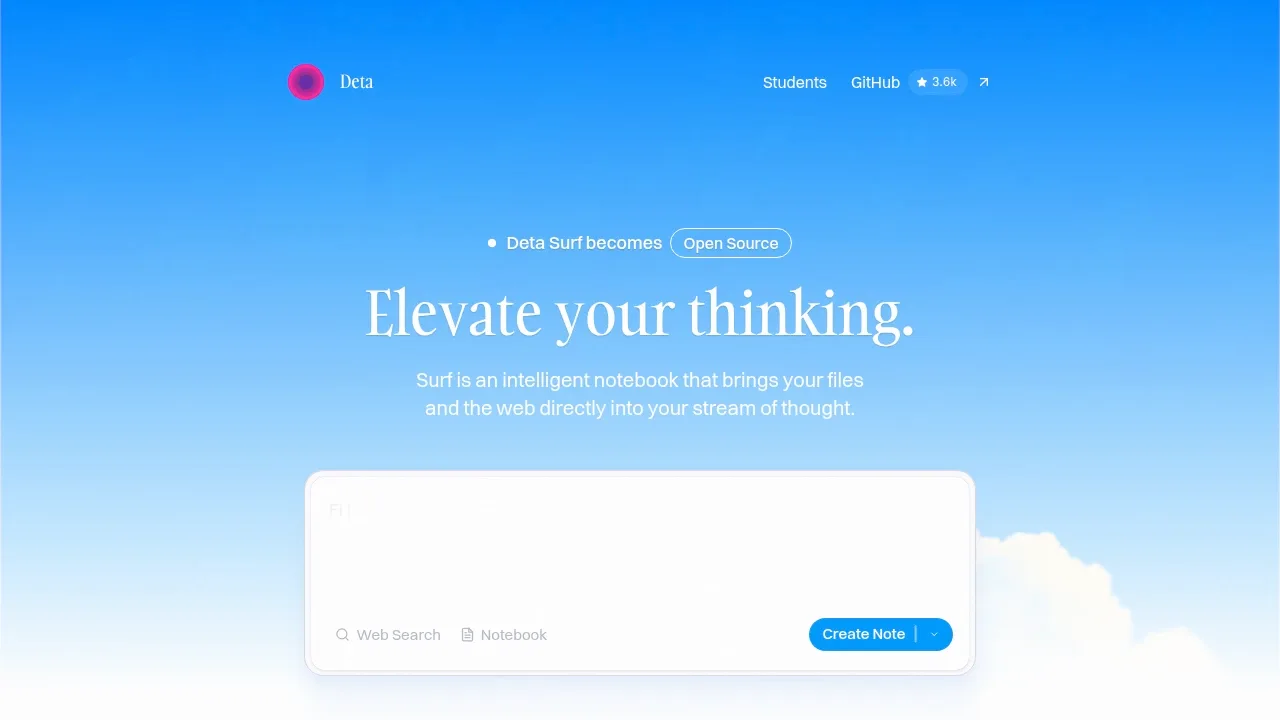
An open-source AI notebook for macOS, Windows and Linux that stores your library locally and supports local LLMs or cloud models.

A local LLM chat app for Apple Silicon Macs that answers from your files, runs GGUF models offline, and supports optional remote model APIs.
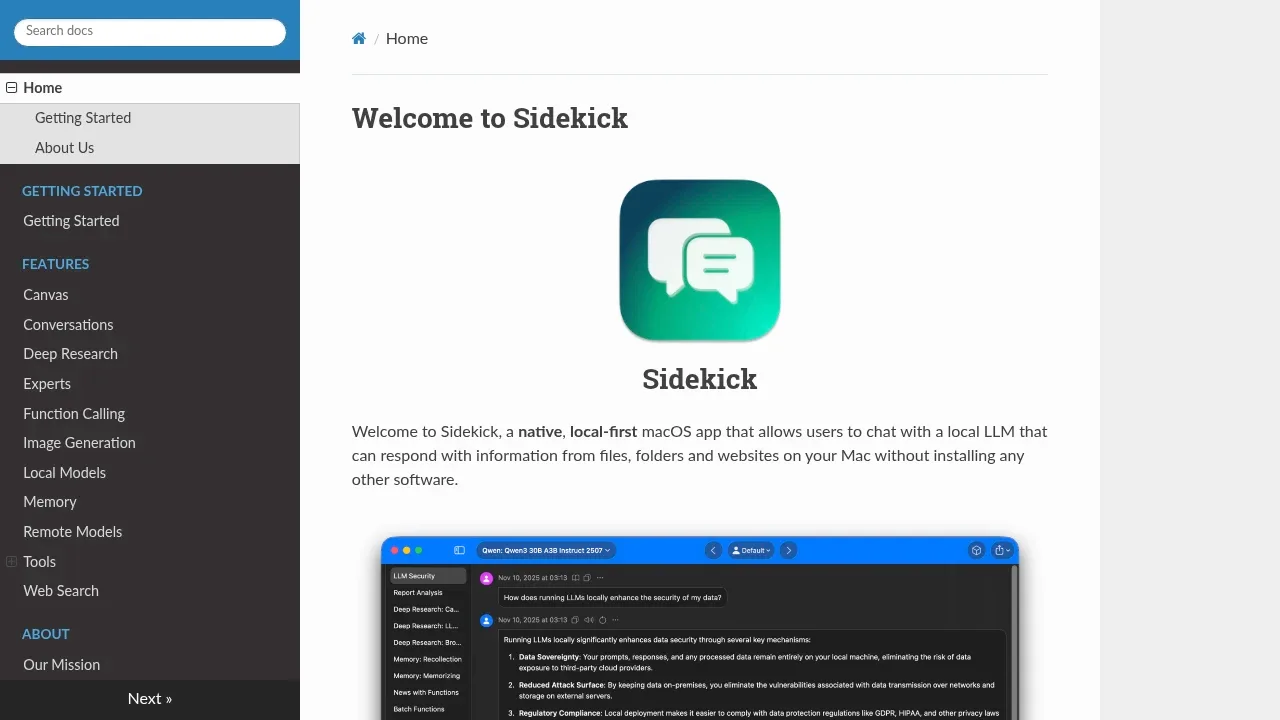
Sidekick groups files, folders and websites into research collections for document questions. Its built-in model engine handles conversations, and charts or a canvas let you work with the output. It focuses on research and editing rather than audio overviews.

A local AI document chat app that uses Ollama, combines semantic and full-text search, and returns source passages, with MIT-licensed code.

A self-hosted AI search and chat platform that connects company knowledge to employees and agents, with local model support and air-gapped deployment.
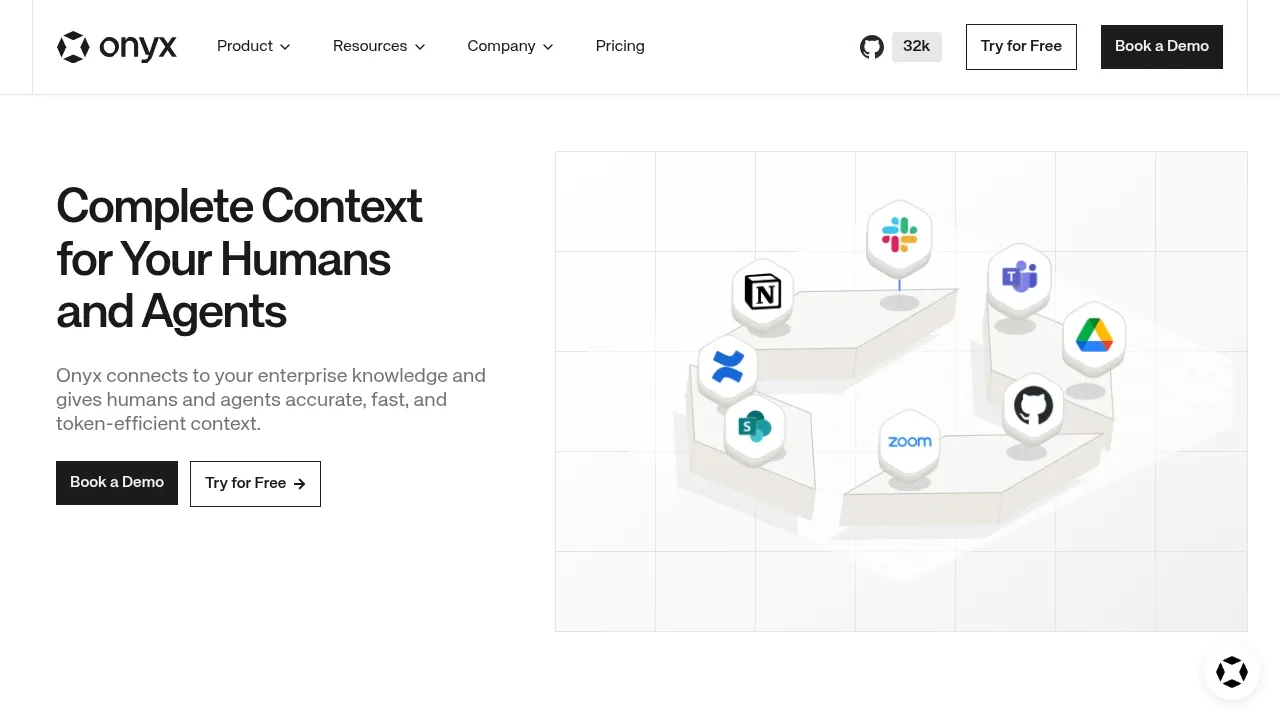
Onyx suits research over a shared company document corpus. Workplace connectors supply material, source permissions govern answers and agents can combine internal knowledge with web research to produce reports.

A self-hosted AI knowledge platform combines cited document Q&A, agent tasks and linked wiki pages, with Ollama inference and offline deployment support.
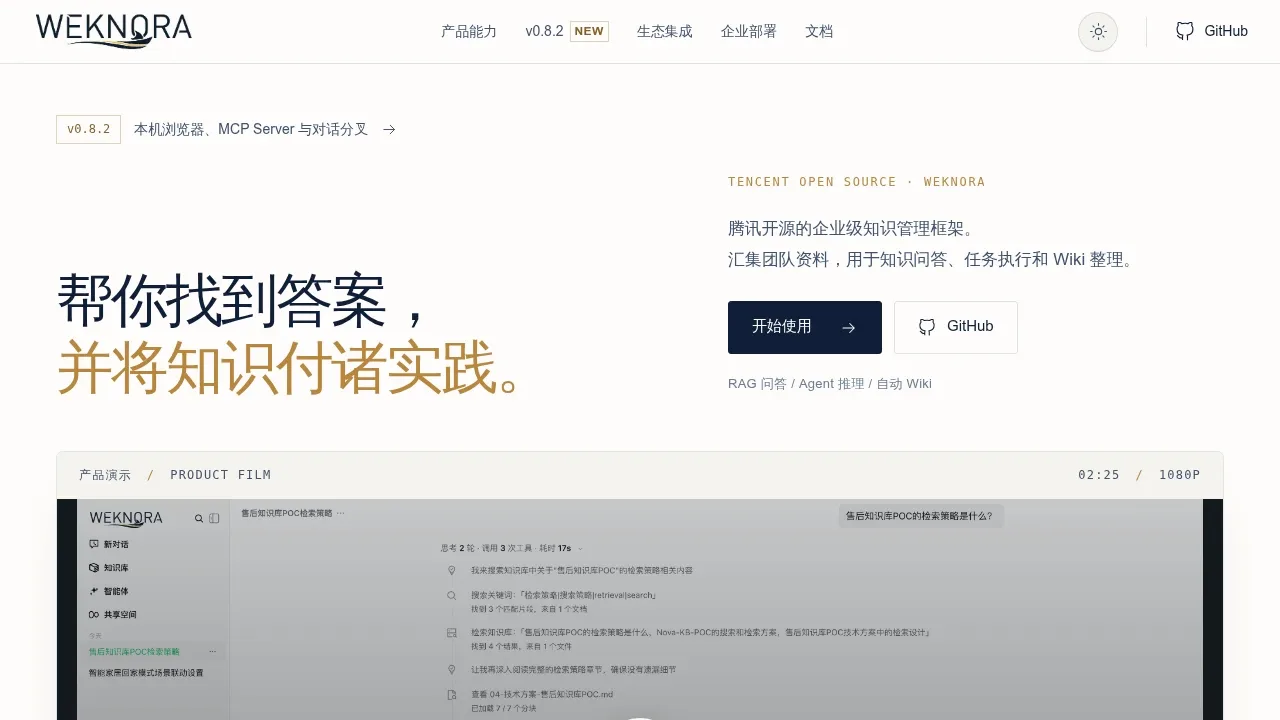
WeKnora turns source documents into a linked wiki and knowledge graph that you can edit and revise. The same knowledge bases support cited questions and agent tasks, making it useful for material that needs ongoing organization as well as answers.

A self-hostable AI assistant that searches documents and the web, supports local or online LLMs, and runs custom agents and scheduled automations.
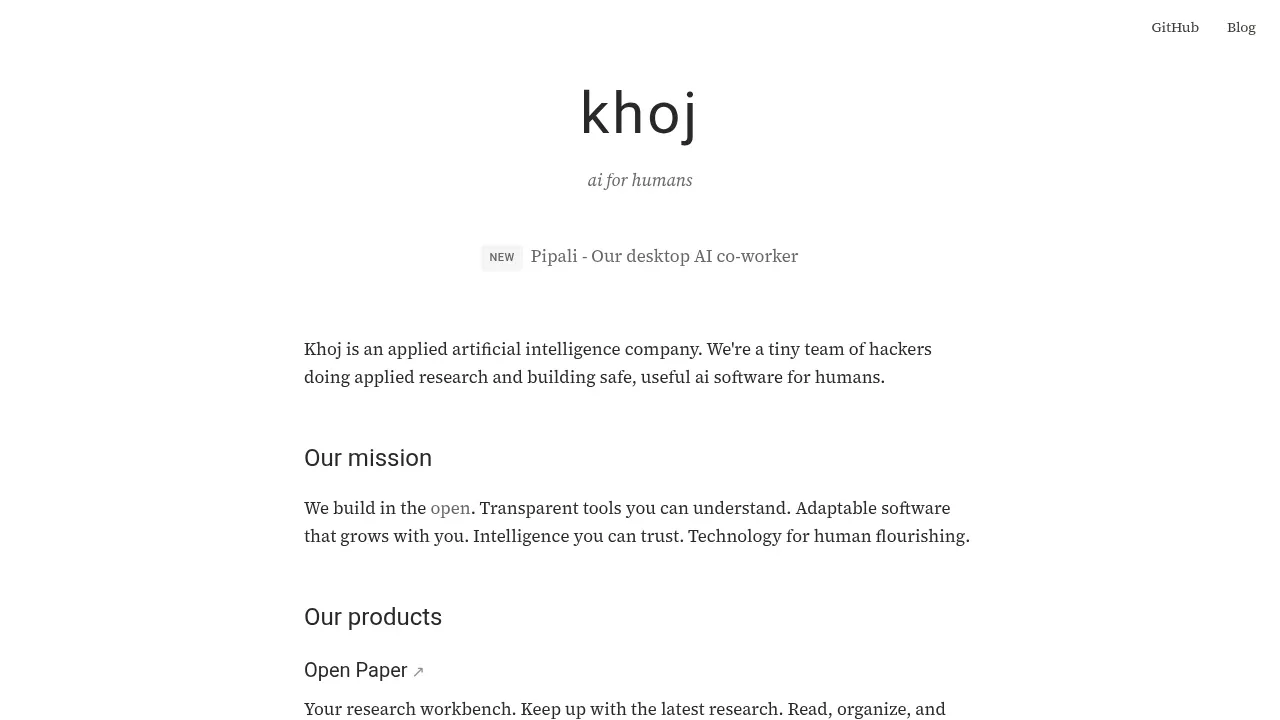
Khoj suits research spread across PDFs, notes and other personal files. Semantic document search and web research feed the same assistant, with custom agents for recurring investigations.

A self-hosted AI research assistant searches the web, academic papers and private documents, producing cited reports with local or cloud models.

Self-hosted AI agent platform that answers questions from documents and runs multi-agent tasks, with Docker deployment and OpenAI-compatible model APIs.

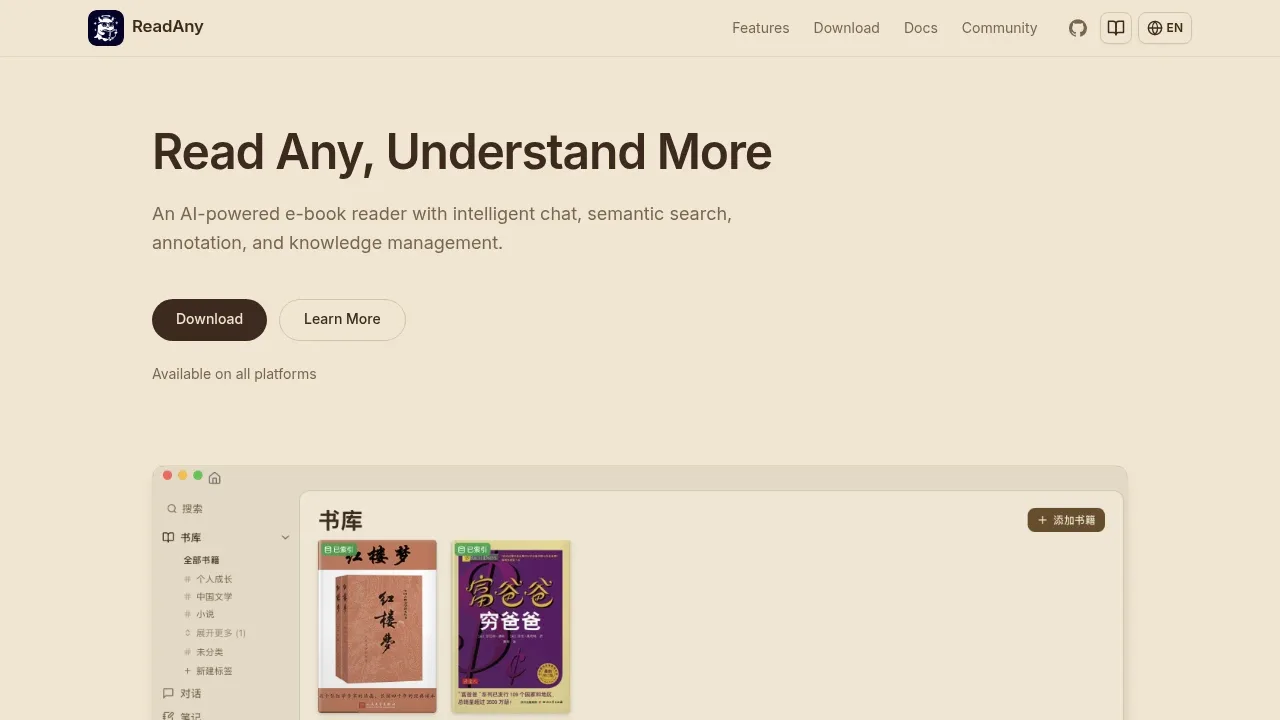
A local-first AI e-book reader with offline-capable search, book chat through Ollama or cloud providers, and desktop and mobile apps.

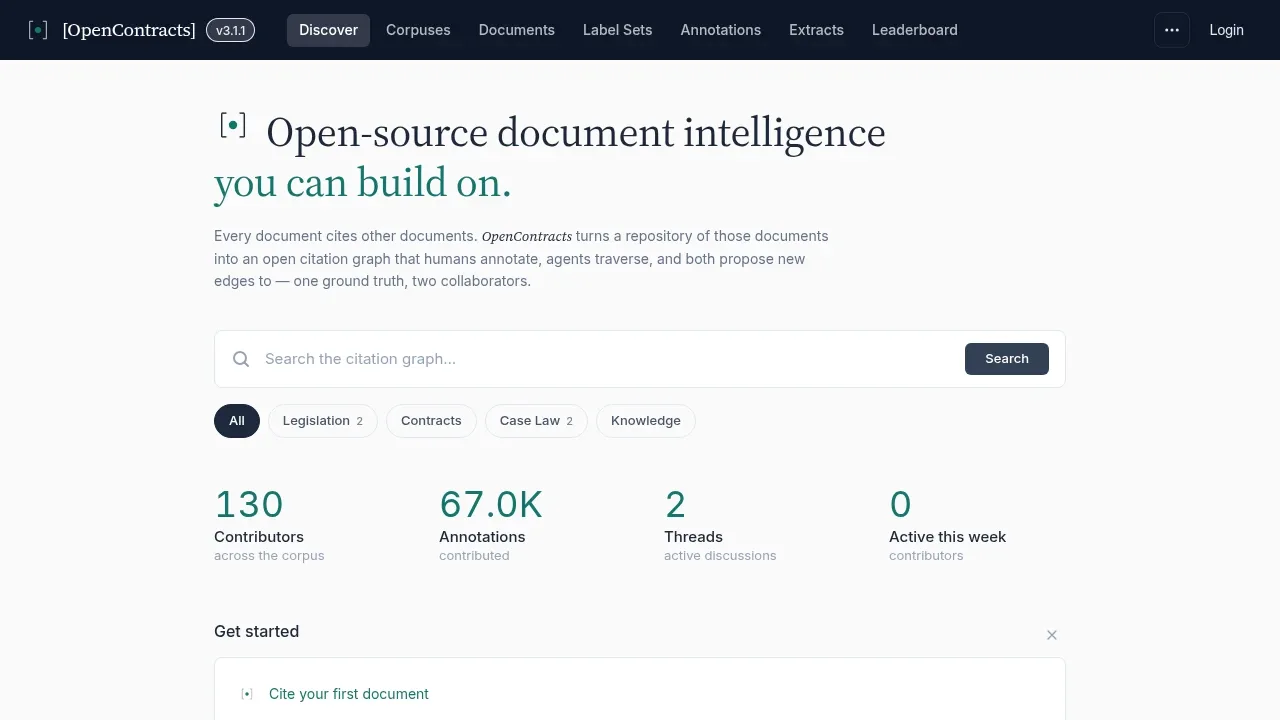
Self-hosted document intelligence links citations, annotations and AI agents in a shared graph. Open source under MIT, with a web UI and MCP server.

Local AI search agent for macOS, Windows and Linux that checks answers against source files. Its model-free Lite engine supports offline search.
AutoRAG Agent searches files and connected archives where they already live, then answers with file, page or line references. It suits research spread across notes, messages and documents. The full agent needs a configured model; Lite provides retrieval without answer generation.

A Python research assistant answers questions about scientific documents with citations, using local files and models supported by LiteLLM.
PaperQA2 suits researchers asking questions or looking for contradictions across scientific papers. It ranks supporting passages and writes answers with in-text citations through a command-line or Python workflow, with external services for paper metadata.

An AI note-taking assistant for Joplin on desktop and mobile, with local and online models, note-based chat, and semantic search.
Joplin Jarvis brings questions and semantic search to an existing Joplin note collection. Relevant excerpts supply chat context, while its literature-review workflow searches external paper services and writes a report with references.
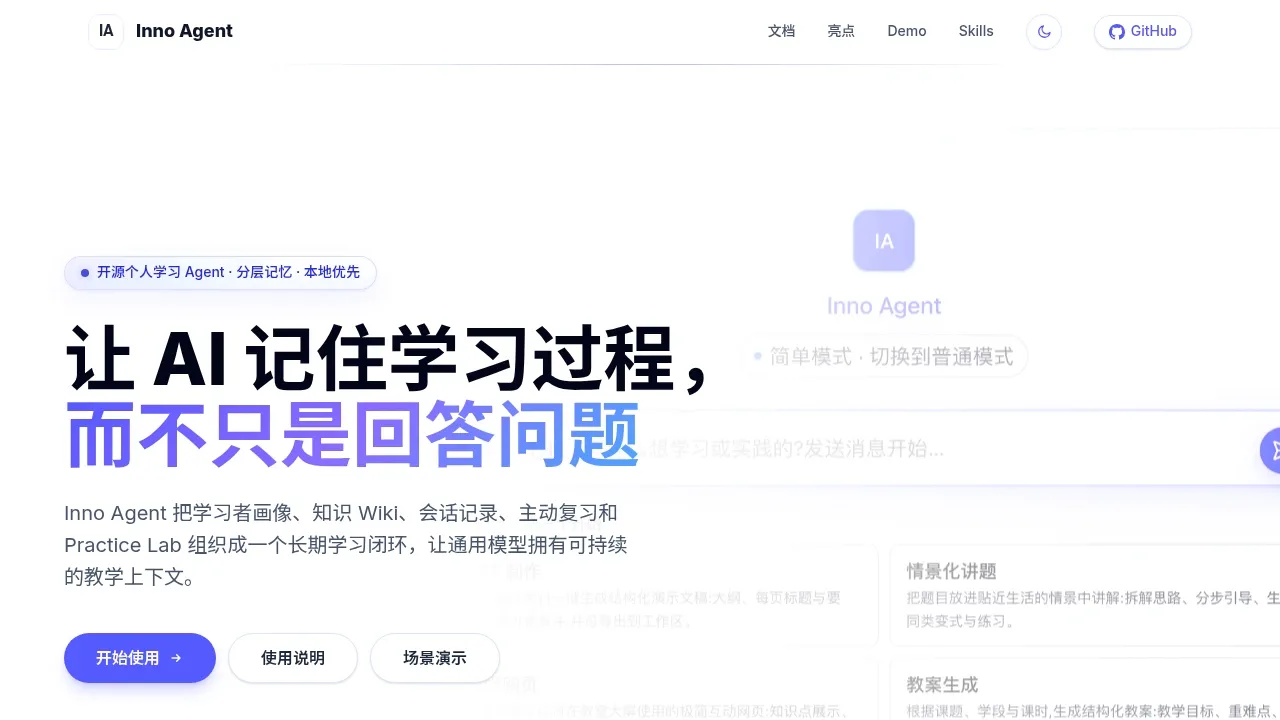
A self-hosted AI learning agent with editable learner memory, a study wiki and scheduled review, supporting Ollama alongside cloud model providers.

A self-hosted AI classroom platform generates lessons, quizzes and simulations from topics or materials, with local AI support through Lemonade.

Private AI software for individuals and teams, with workspaces, agents, model choice and organizational controls over access and storage.
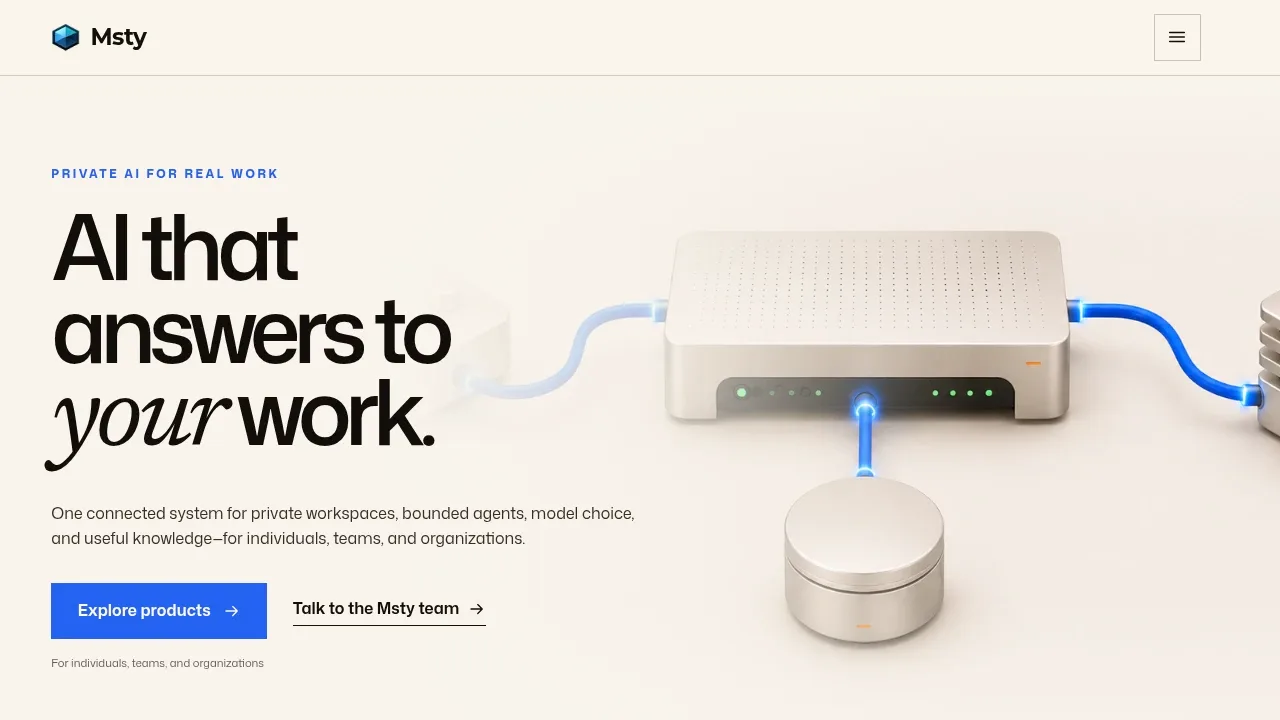
Msty’s Knowledge Stacks make document collections available during a conversation. Split chats let you compare what different local or hosted models conclude from the material; podcast generation is not the focus.
An open-source Python AI podcast generator that turns text and images into multilingual audio conversations and supports local LLM transcript generation.
For NotebookLM, start with SurfSense. Other alternatives include Open Notebook, kotaemon, RAGFlow and AnythingLLM.
Most are Chat With Your Documents; others include AI Search and Deep Research.
People also replace
See all
Kimi alternatives


ChatGPT alternatives


Microsoft Copilot alternatives


