Framer alternatives for visual website building
Build and revise websites with Onlook, Dyad or OpenUI. Compare visual code editing, desktop app generation and reusable interface prototypes.
Framer combines visual website design, AI tools, a CMS and hosted publishing. It appeals to people who want to build and revise a site by working on the page itself. Replacing its design workflow is a different task from replacing its managed CMS and hosting subscription.
Onlook makes visual changes to a running Next.js site and writes them into the code. Dyad turns descriptions into editable web projects, while OpenUI focuses on generating and refining interface components. Bolt.diy adds a browser editor and terminal for full-stack development. These Framer alternatives cover building, editing and exporting websites; the finished site's CMS and deployment need their own setup.

A self-hosted visual editor for Next.js and Tailwind CSS websites that combines direct design changes with AI code editing.
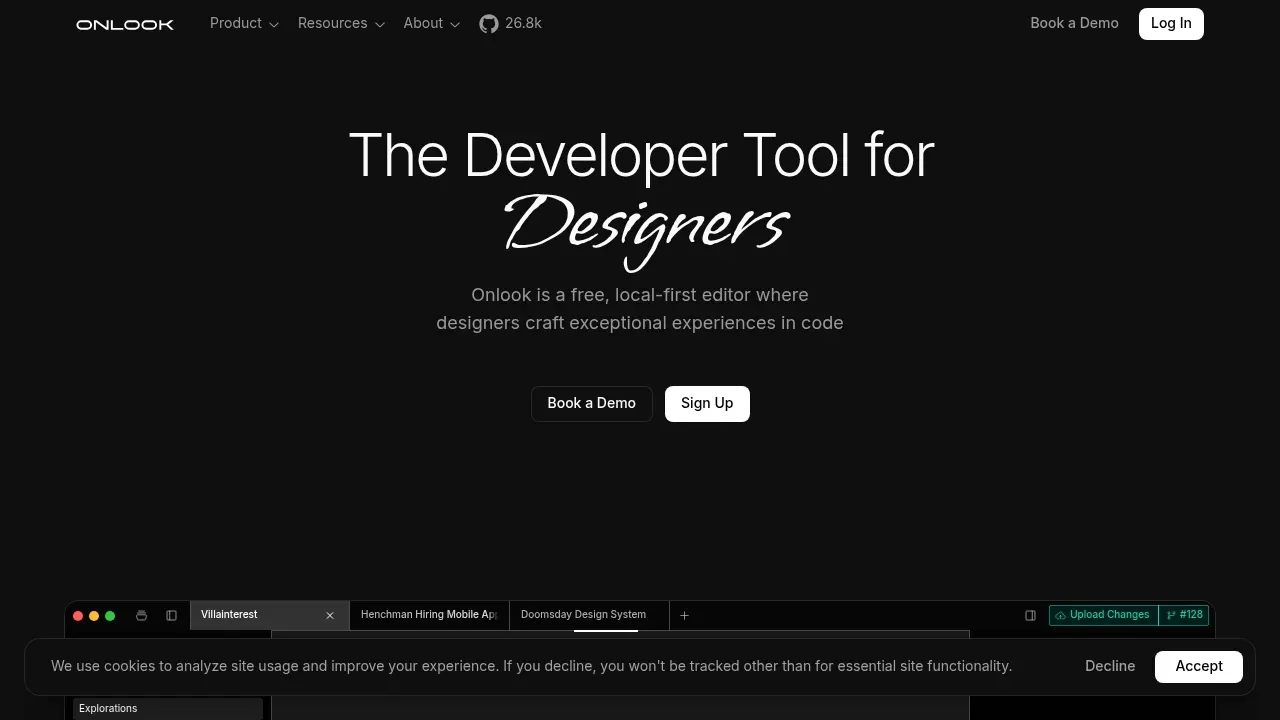
Onlook suits replacing Framer visual editing with changes to a working website. Select elements in a live preview, adjust the design and use AI to create or edit Next.js and Tailwind code. Export the project or publish it to GitHub; CMS and hosting are separate from the editor.

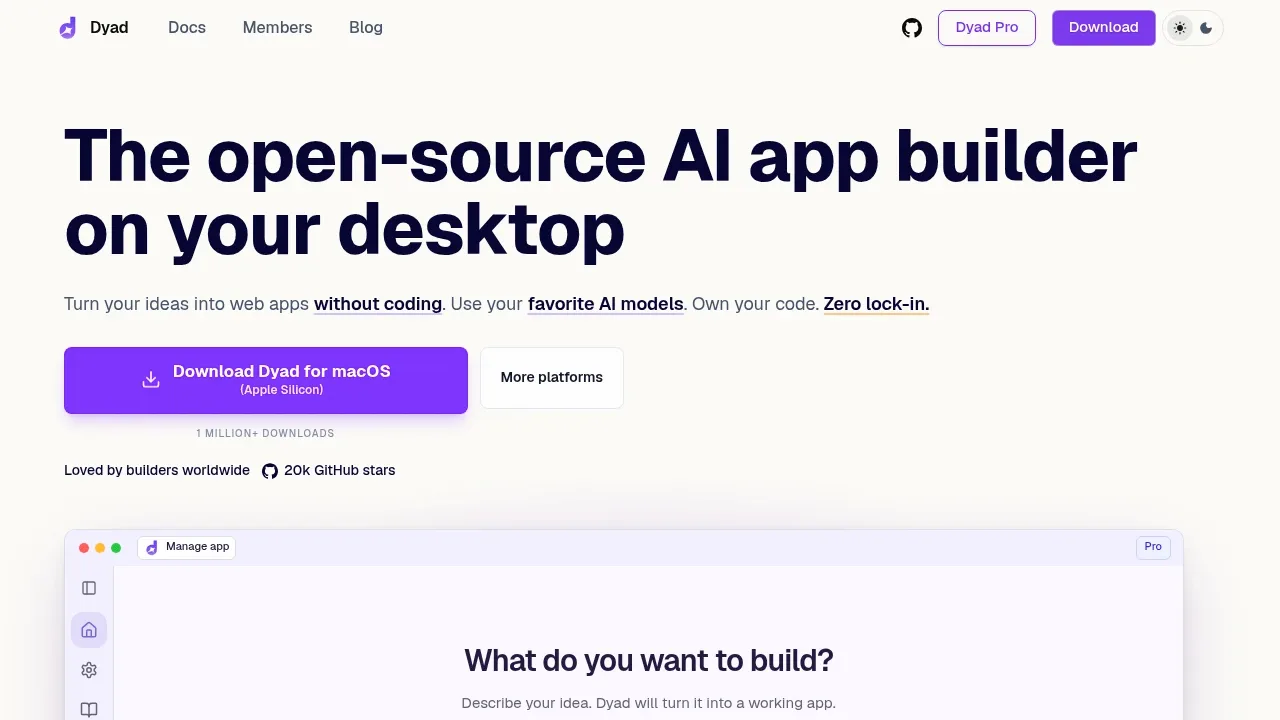
A local AI app builder that turns prompts into web apps, keeps project files on your machine and works offline with Ollama or LM Studio models.

A self-hosted AI UI builder that renders interfaces from text descriptions and converts HTML to React or Svelte, using Ollama or cloud models.

A self-hosted AI coding assistant for full-stack web apps, with local models through Ollama or LM Studio and a browser workspace or desktop app.
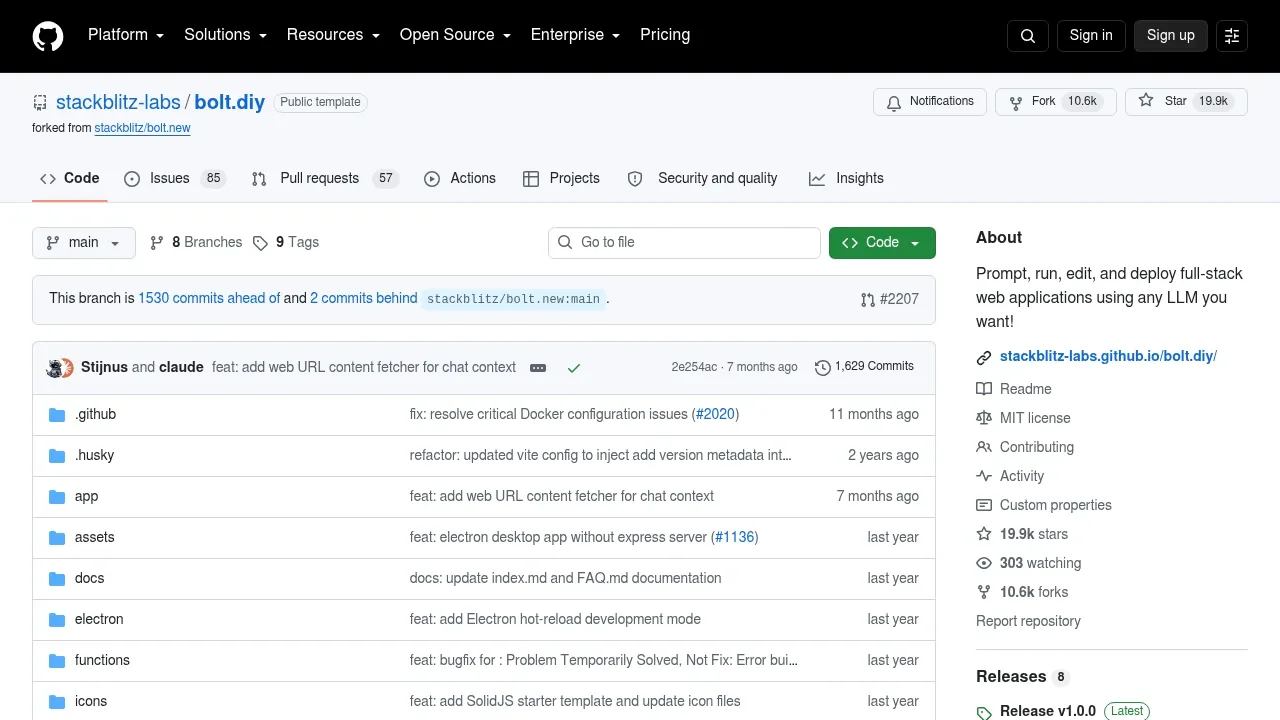
Bolt.diy suits Framer users moving from visual site design to a full-stack web project. Generate code, change it in the browser editor and terminal, inspect a live preview and export the project. Choose the model backend and deployment service separately; WebContainers has separate commercial terms.

An open-source AI app generator you can self-host, with browser previews and cloud inference through Together AI. Requires internet access and an API key.
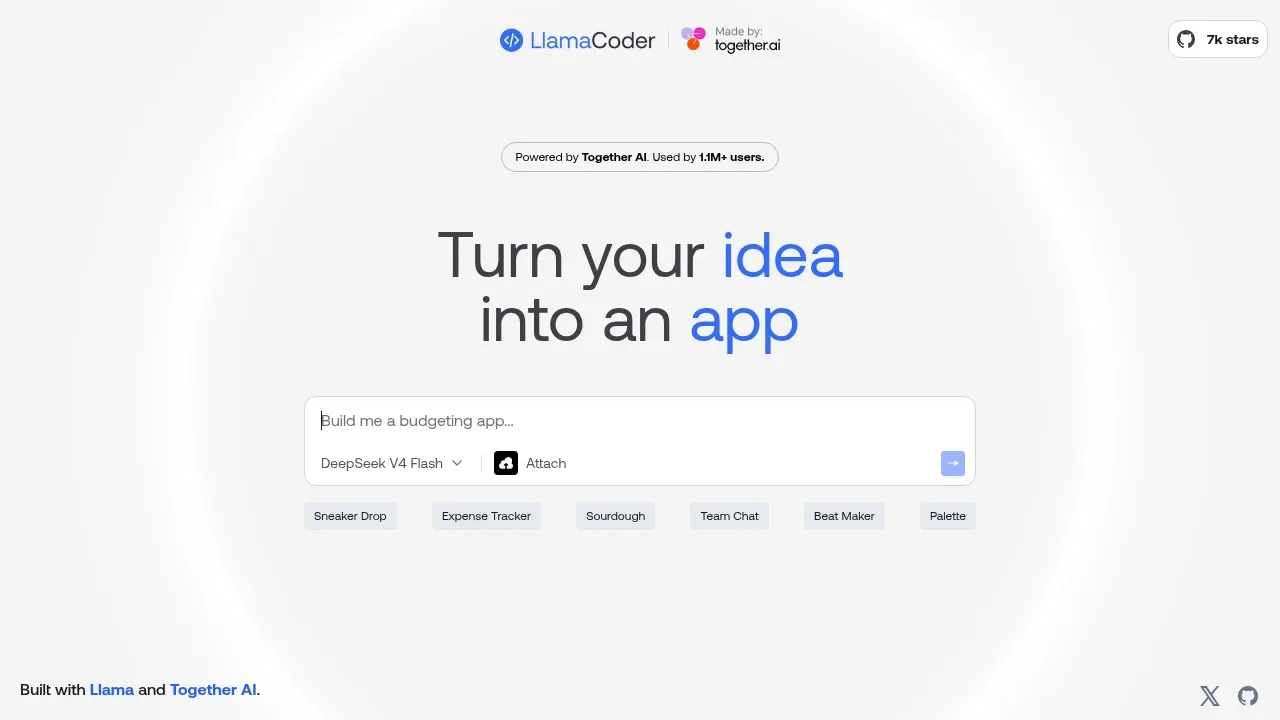
LlamaCoder covers quick Framer-style website or interface ideas through a prompt and sandboxed browser preview. It produces a small app you can inspect rather than a full design and CMS suite. Self-hosted generation still uses Together AI and requires its API key.
For Framer, start with Onlook. Other alternatives include Dyad, OpenUI, Bolt.diy and LlamaCoder.
Most are Prompt-to-App Builders; others include AI Code Editors.
People also replace
See all
v0 alternatives

Bolt alternatives

Lovable alternatives