Character.AI alternatives for character chat
Create character conversations with SillyTavern, RisuAI or Agnai. Compare story context, group roleplay and character chats on your phone.
Character.AI lets people talk with characters created by other users or design a character of their own. The attraction is a conversation with a particular personality, whether you want to develop a story, try a fictional scenario or return to the same character.
SillyTavern gives you detailed prompt controls and lorebooks with a separate model backend. RisuAI adds character media, group conversations and memory compression, while Agnai supports conversations with several people and bots. ChatterUI keeps character profiles in a phone app. These Character.AI alternatives differ in how they manage the character and its context; the model you connect supplies the replies.

A local LLM frontend that connects to local backends and cloud APIs, with lorebooks, image generation and text-to-speech.
SillyTavern suits creating characters with detailed prompts and story background instead of choosing a Character.AI bot. Lorebooks, a visual novel mode and voice or image integrations shape the conversation; you connect a separate local backend or cloud model.

An open-source AI roleplay client supports character chats, long-term memory and multiple model backends on desktop, Android and self-hosted web.
RisuAI focuses on Character.AI-style fictional characters and group stories. Lorebooks, memory compression and custom prompt templates carry the story context, while emotion images and spoken replies add character presentation. You choose the model backend.

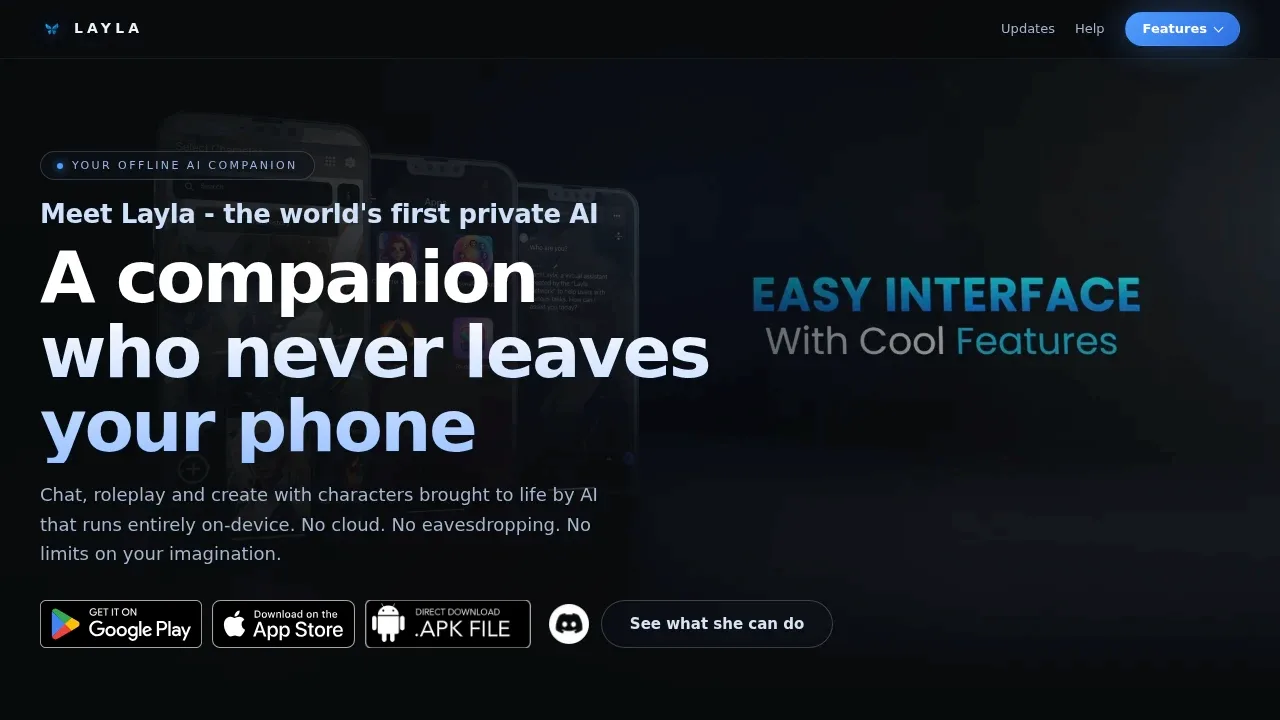
An offline AI assistant for Android and iOS runs local LLMs on your phone without an account, with optional cloud models and on-device image generation.

A self-hosted AI roleplay chat app supports custom characters, group conversations and backends including Kobold, Claude and OpenRouter.
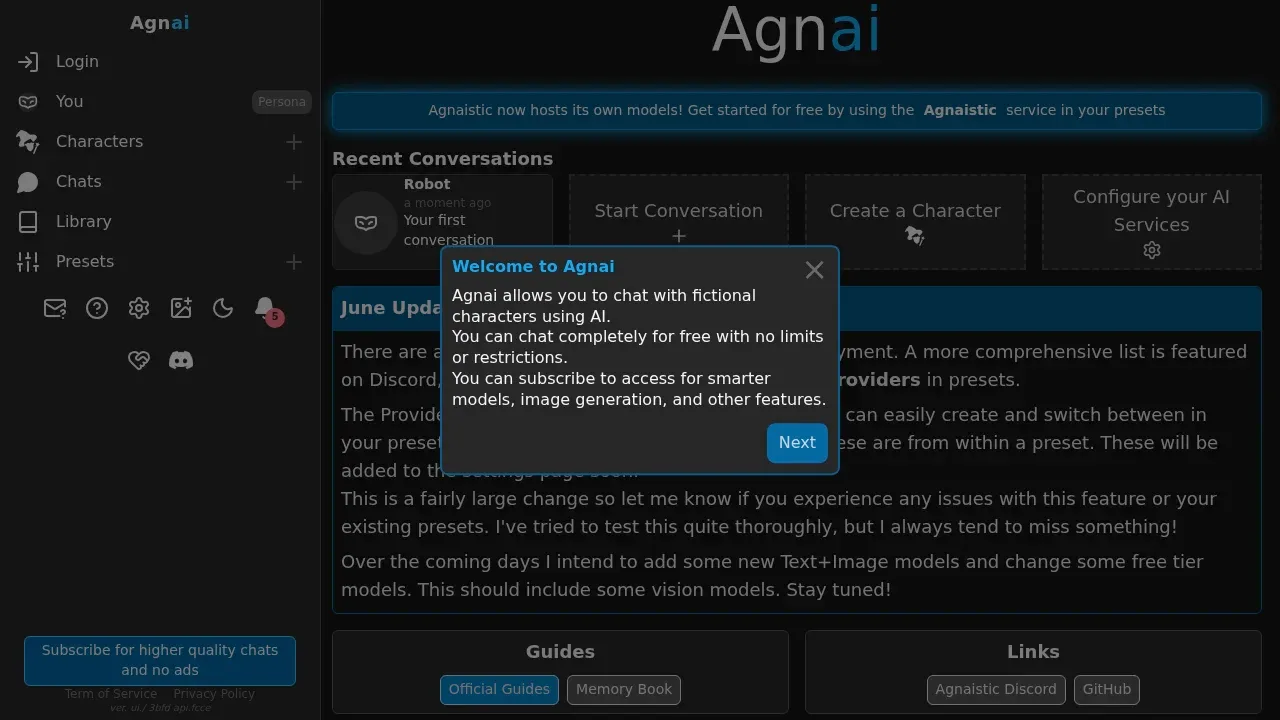
Agnai suits Character.AI roleplay that includes several people and bots in one conversation. Create character personas, add lore books and reuse model connections and generation presets. Its hosted app or your own installation connects to separate inference providers.

An AI companion for voice chat, file tasks and interactive stories, with local or cloud processing on Windows and Linux.
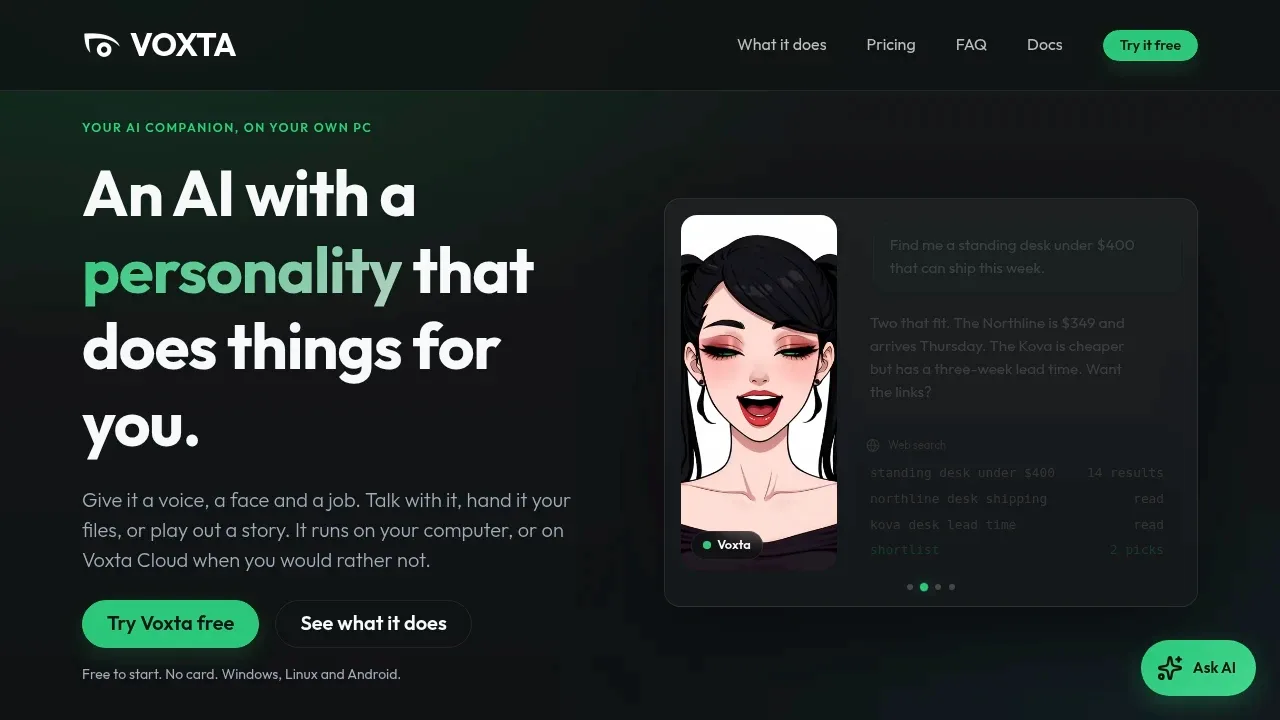

A free, open-source Windows AI companion app with offline GGUF models, voice chat and character memories shared across chat, RPGs and desktop modes.
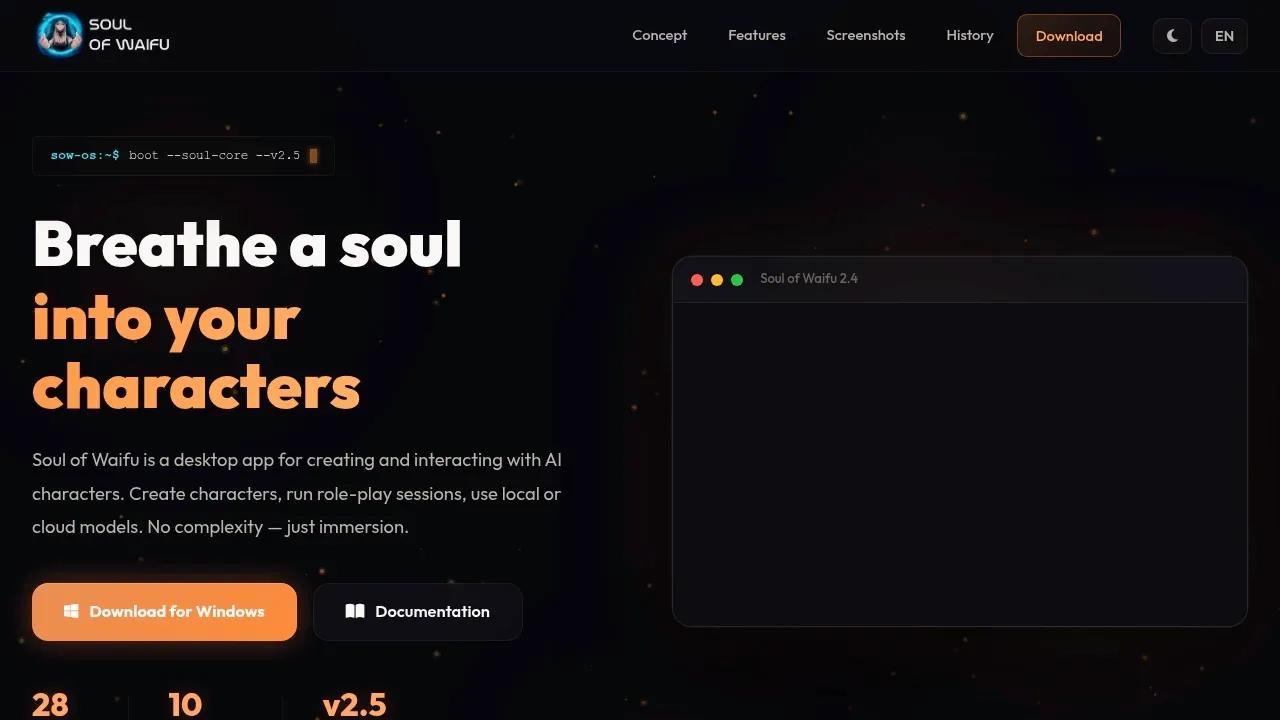

A local LLM runner for GGUF models on Windows, macOS and Linux, with CPU or GPU support and a browser interface for chat and roleplay.

An open-source Android LLM chat app runs GGUF models on-device through llama.cpp or connects to self-hosted backends and cloud APIs.
ChatterUI brings character conversations to an Android app instead of the Character.AI service. Import Character Card v2 profiles, keep several chats per character and adjust reply settings. Local Mode runs a downloaded GGUF model; remote backends remain optional.

A local AI companion runs offline with voice chat and Live2D avatars on Windows, macOS and Linux, with optional cloud models and visual input.
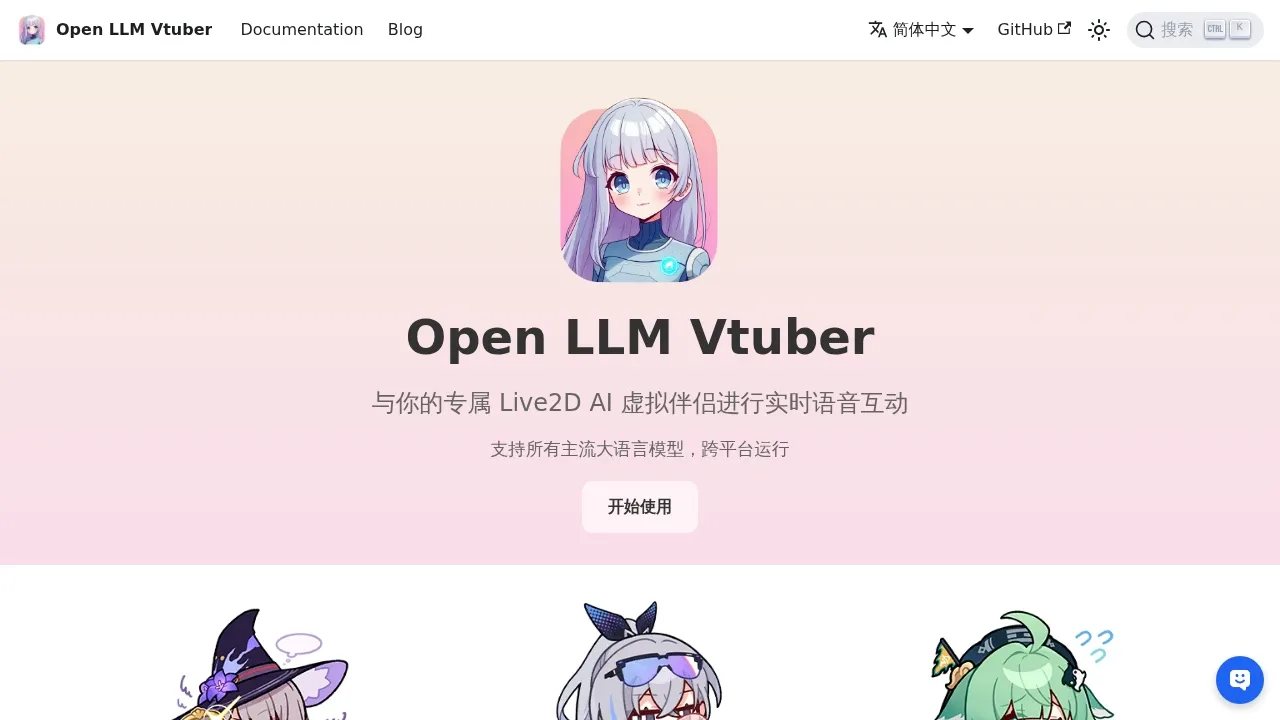

A local AI desktop companion with customizable Live2D characters, voice training and long-term memory, available as open source under MIT.

A self-hosted AI companion with live voice chat and game integrations, available in browsers, macOS and Windows with local or cloud model connections.
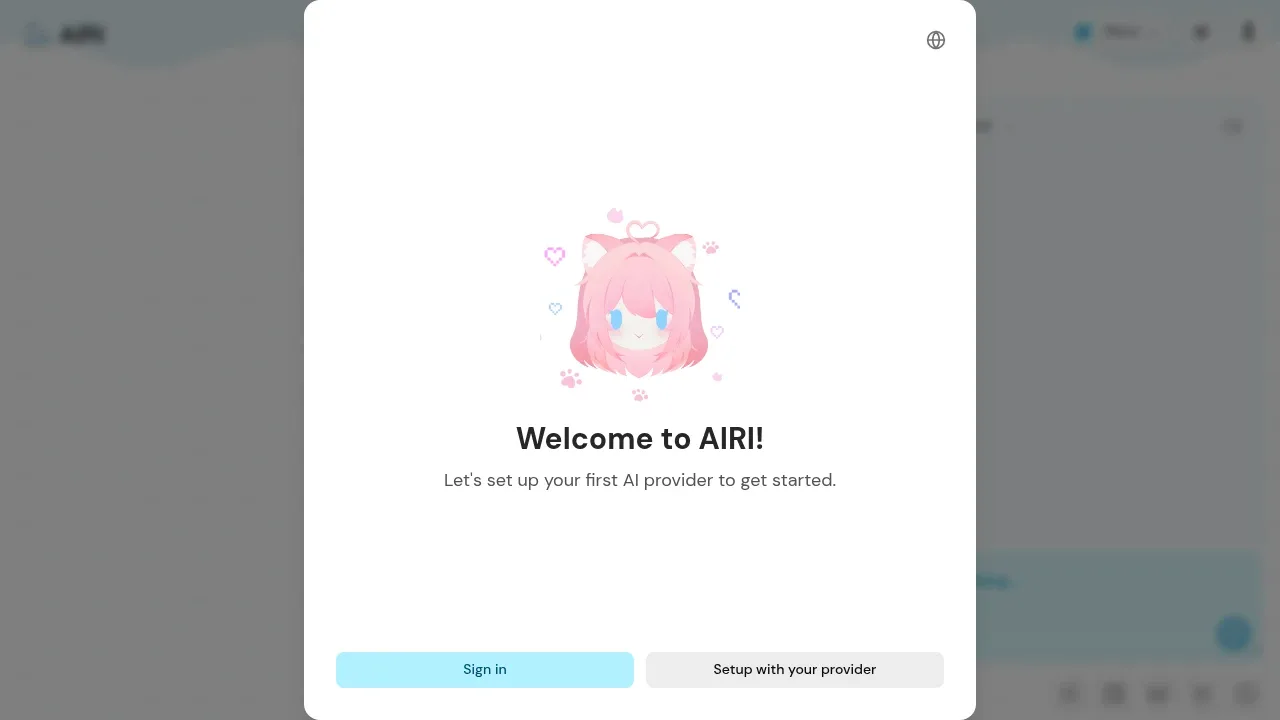

A local AI assistant runs GGUF models on iOS and Android, with offline chat after download and on-device text-to-speech.

A self-hosted AI companion app lets you customize characters and talk by voice or text, with local speech recognition and cloud language models.
For Character.AI, start with SillyTavern. Other alternatives include RisuAI, Layla, Agnai and Voxta.
Most are AI Characters and Roleplay; others include Self-Hosted Chat Web UIs.
People also replace
See all
Replika alternatives

Grok alternatives



ChatGPT alternatives


