Codex alternatives for repository coding agents
Compare OpenCode, Qwen Code and Codewhale for repository edits and coding tasks. Choose an agent, model provider and workspace you control.
Codex is OpenAI's coding agent for working on repositories, editing files and running development commands. Its terminal, IDE and cloud interfaces let developers investigate a bug or delegate a coding task without assembling a separate agent workflow. The desktop free tier has a narrower scope than the paid CLI, IDE and cloud offering.
OpenCode separates planning from changes and supports local or hosted models. Qwen Code adds agent teams and isolated worktrees. Codewhale combines saved sessions, permission controls and a local browser interface, while OpenHands handles recurring engineering work. These Codex alternatives cover different ways to run and review repository tasks; model access and hosted execution remain separate choices.

An open source AI coding agent works in your terminal or IDE with local models or cloud models including Claude, GPT and Gemini.
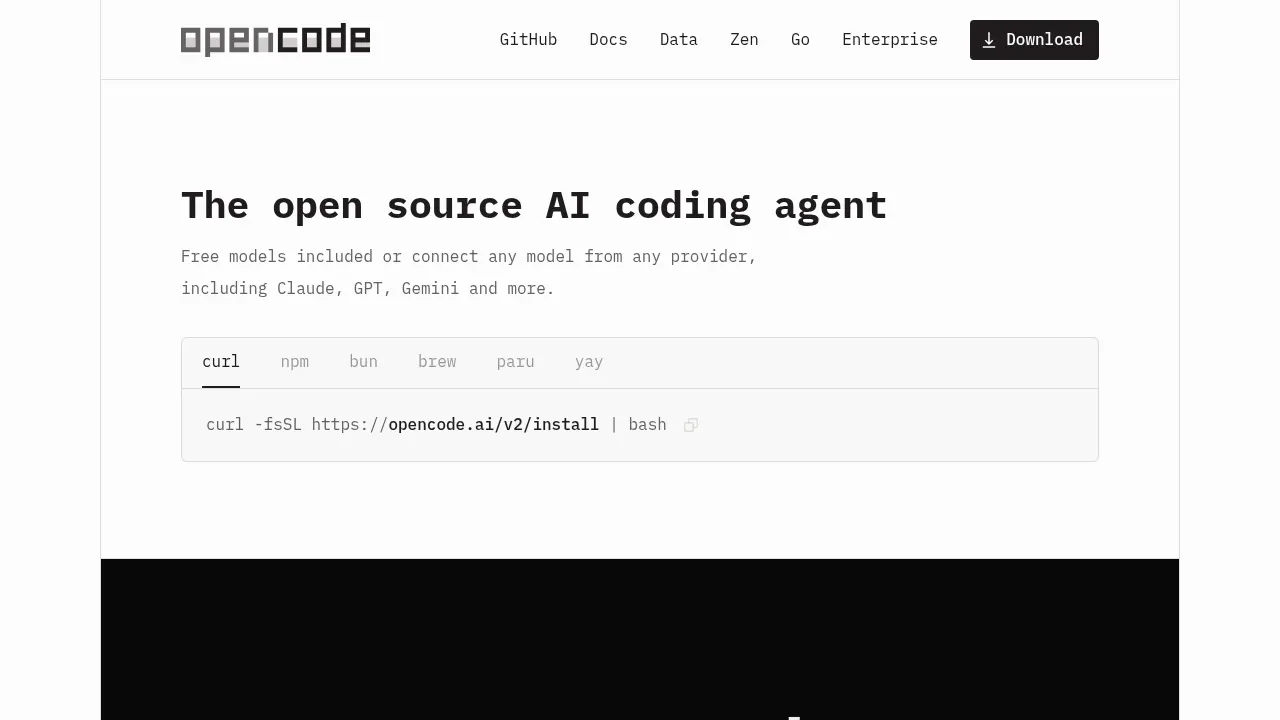

An open-source AI coding agent for macOS, Windows and Linux that supports local models through Ollama or vLLM and cloud model APIs.
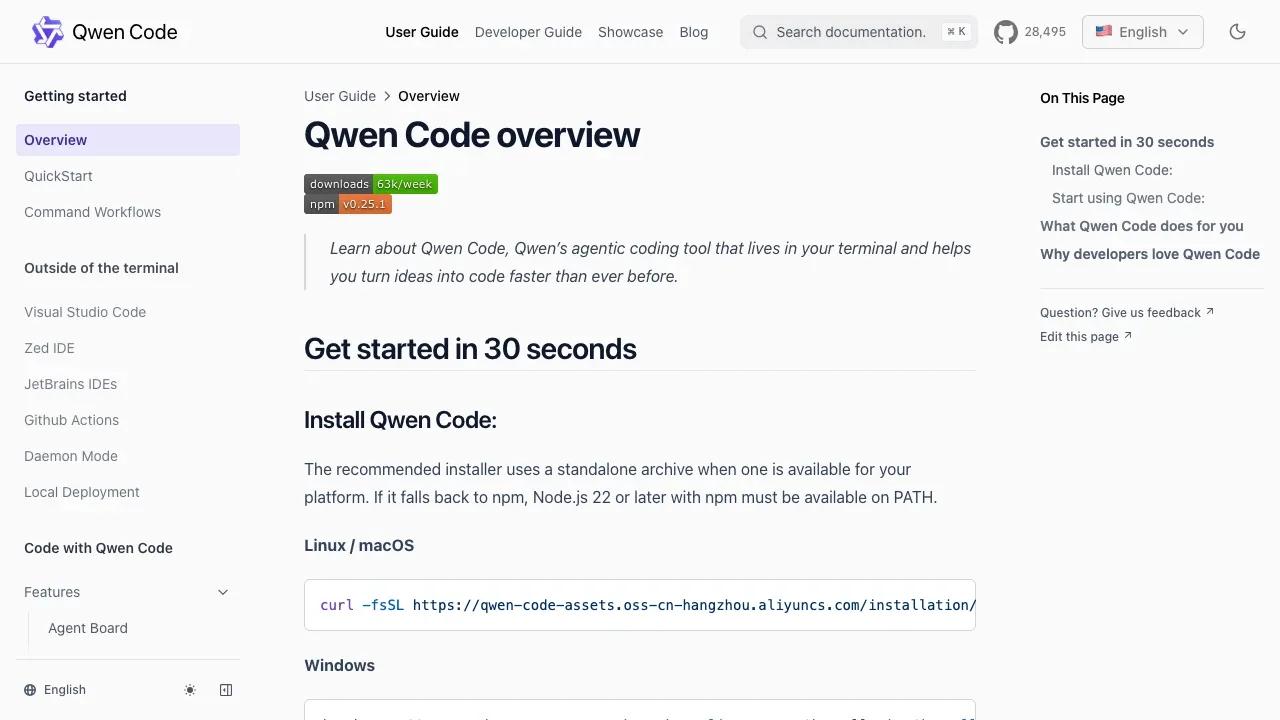
Qwen Code suits Codex tasks that need planning, code changes and agent collaboration. It offers subagents, agent teams, MCP tools and isolated worktrees, with headless operation for scripts. Local models through Ollama or vLLM and several hosted providers are available.

A locally installed coding agent for macOS, Linux and Windows uses selected model providers, with sandboxed commands. Open source under Apache 2.0.
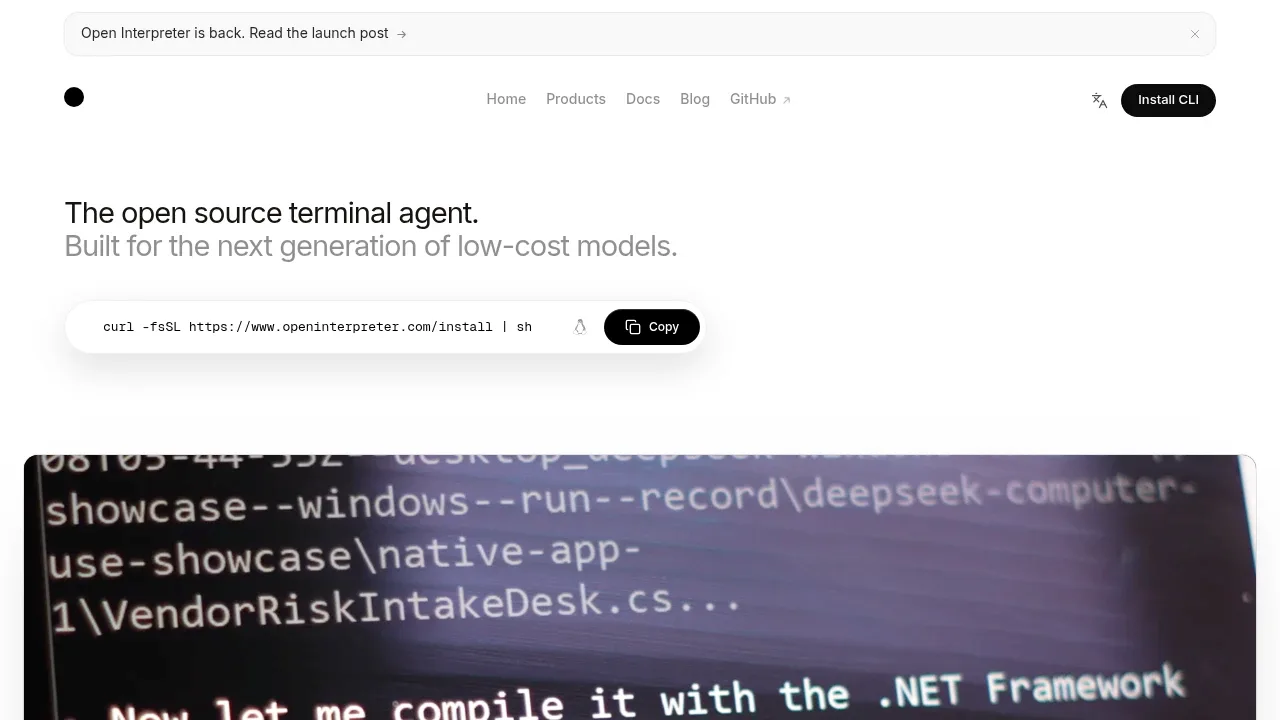

An open-source coding agent for macOS, Linux and Windows that uses local or hosted models, with terminal and local browser clients that need no account.
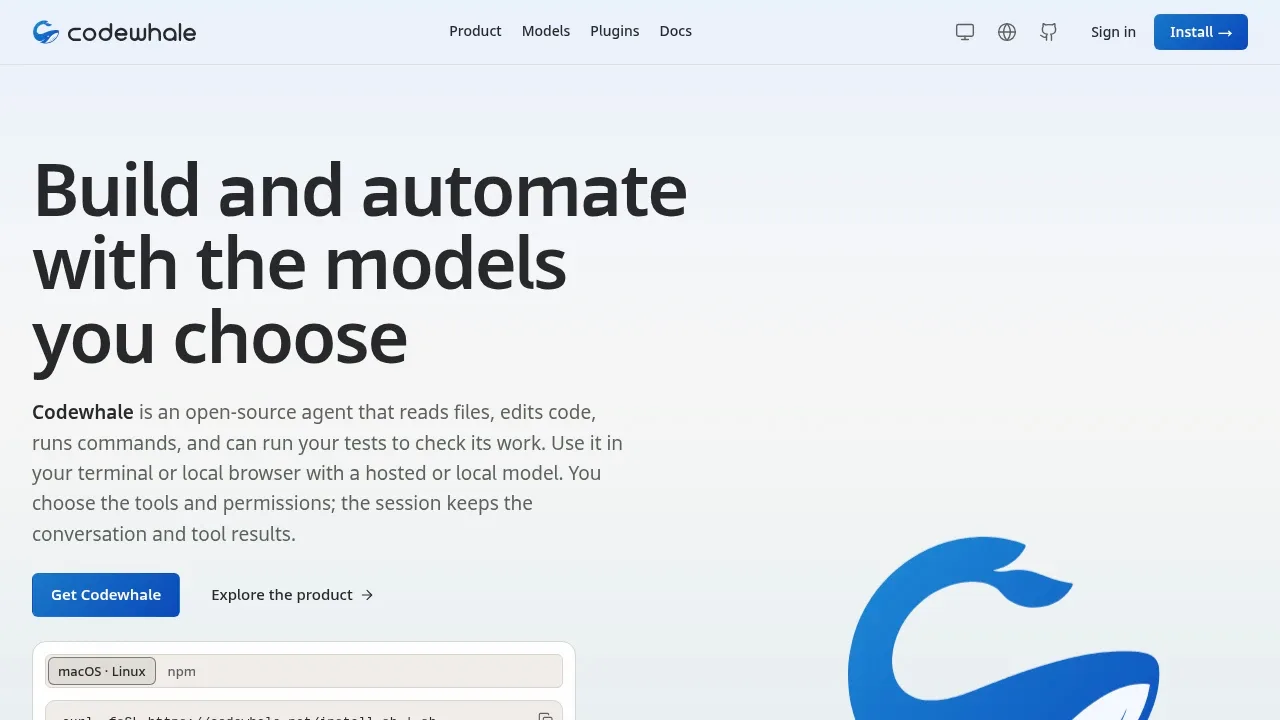
Codewhale suits Codex users who want repository edits with explicit permissions and recovery controls. Read code in planning mode, review diffs and command results, then resume a saved session from the terminal or local browser. Fleet divides larger tasks among agents with different roles and models.

An open-source AI coding agent for editors, terminal and desktop, with local models through Ollama or LM Studio and an Apache 2.0 core.
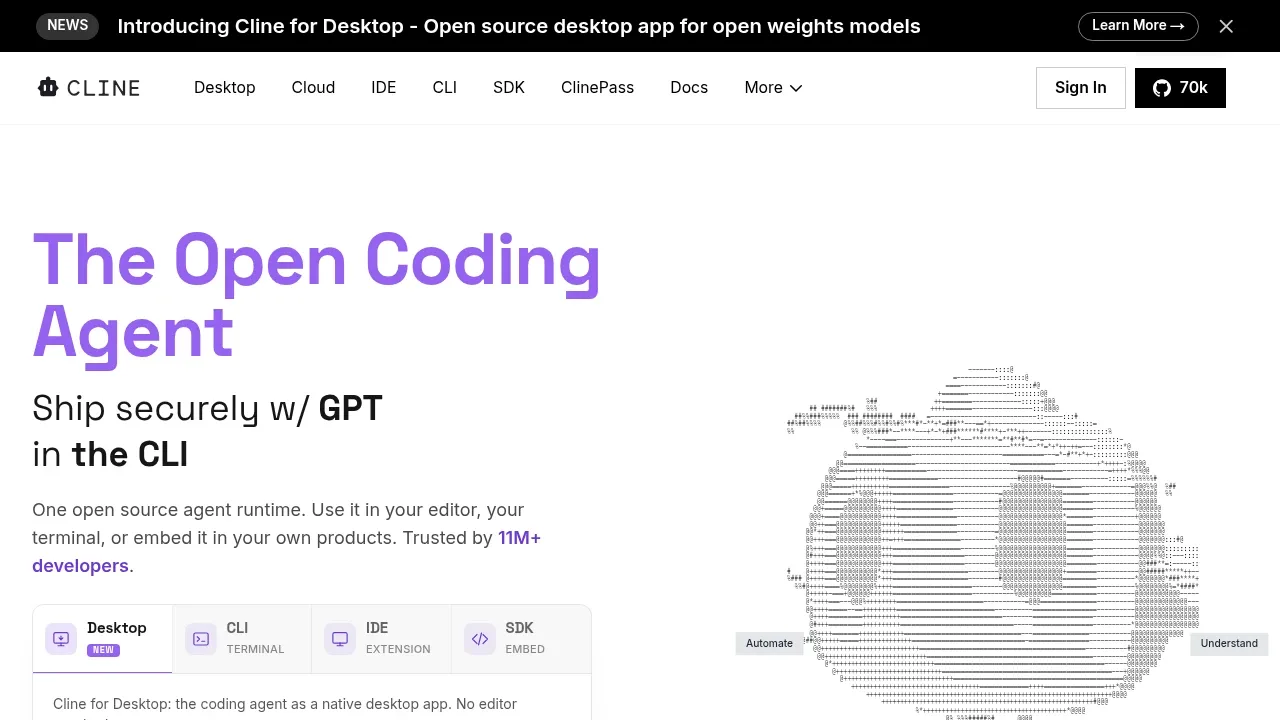
Cline brings Codex-style repository tasks into an existing editor, a terminal or its desktop app. Plan and Act modes separate the proposed approach from execution, while diffs and checkpoints support review. The CLI also runs recurring work in scripts and CI, with local or hosted model connections.

An open-source AI coding agent for VS Code, JetBrains, and the CLI, with local model support, hosted model access, and an MIT license.
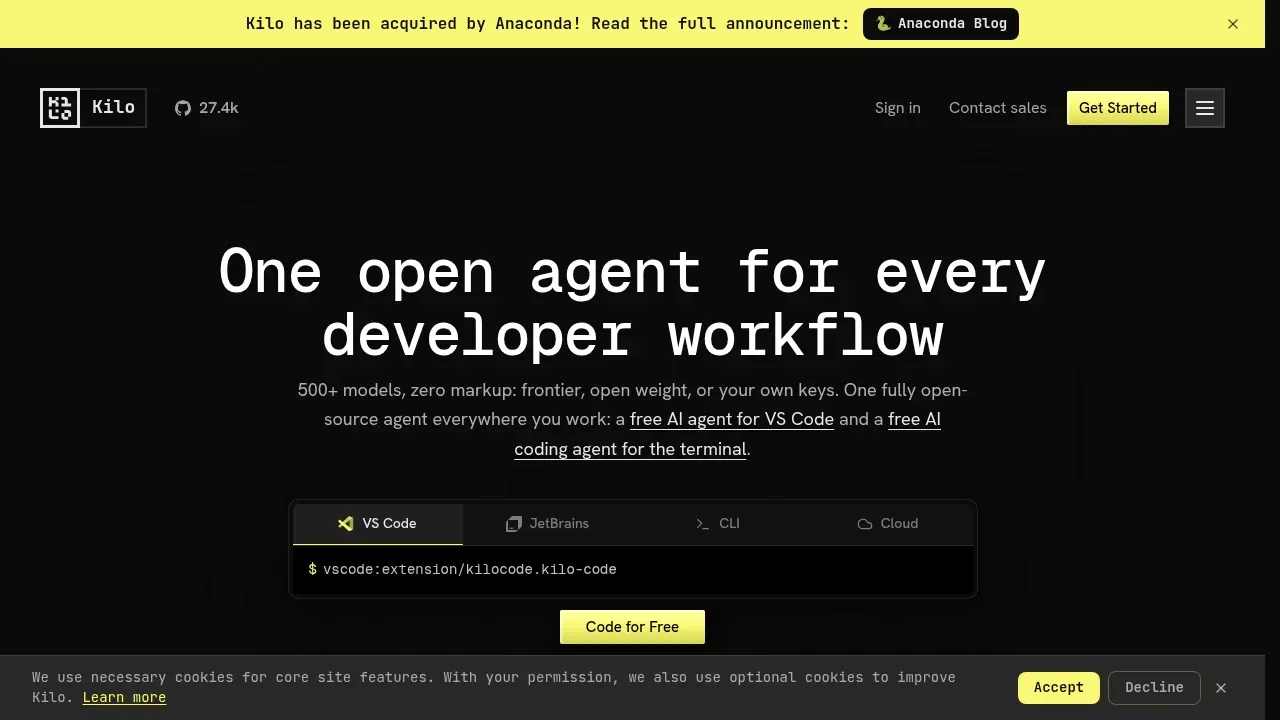

A self-hosted AI coding agent platform runs locally or on servers, supports Claude Code and Codex, and automates engineering workflows.
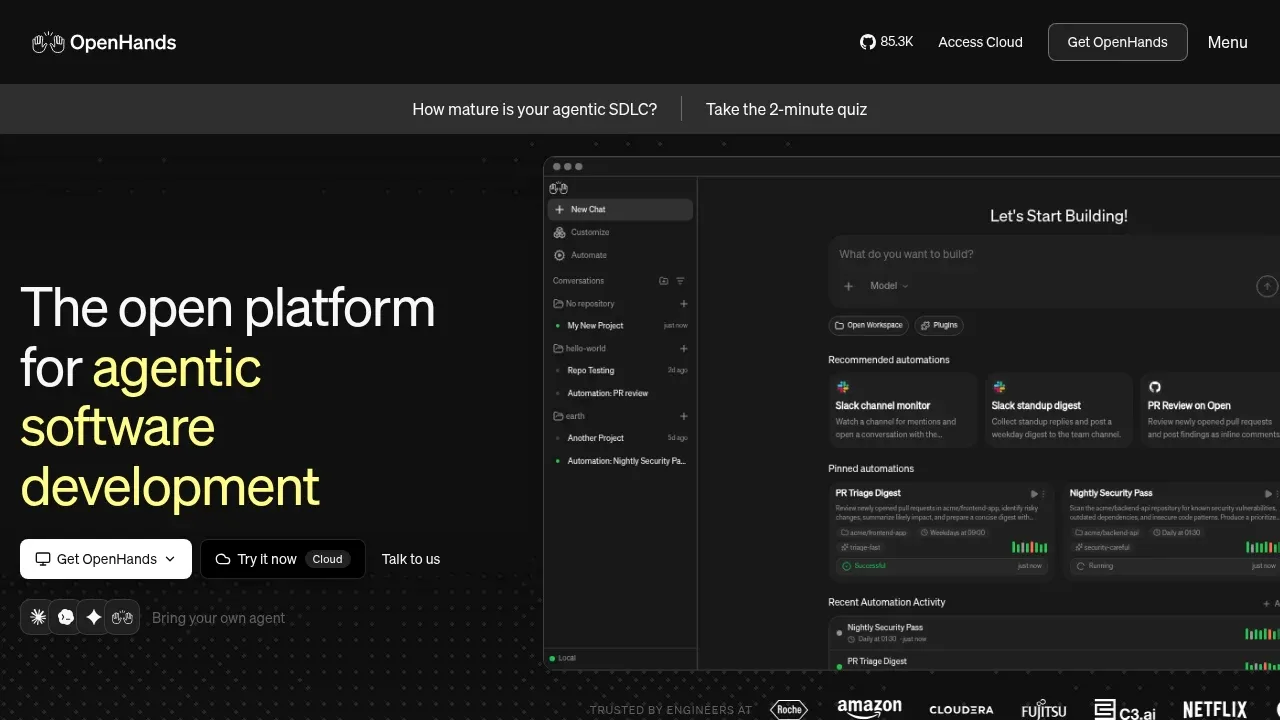
OpenHands covers the delegated and recurring engineering side of Codex. Agents investigate failures, apply changes, run checks and prepare pull requests, with repository events or schedules starting work. Run its own agent on infrastructure you control; selecting Codex as the backend would keep Codex in the workflow.

A desktop AI coding workspace runs on macOS, Windows and Linux, with local models through Ollama or LM Studio and file-by-file change review.

An Apache 2.0 AI agent for macOS, Windows and Linux, with desktop and CLI interfaces and support for Ollama or cloud model providers.

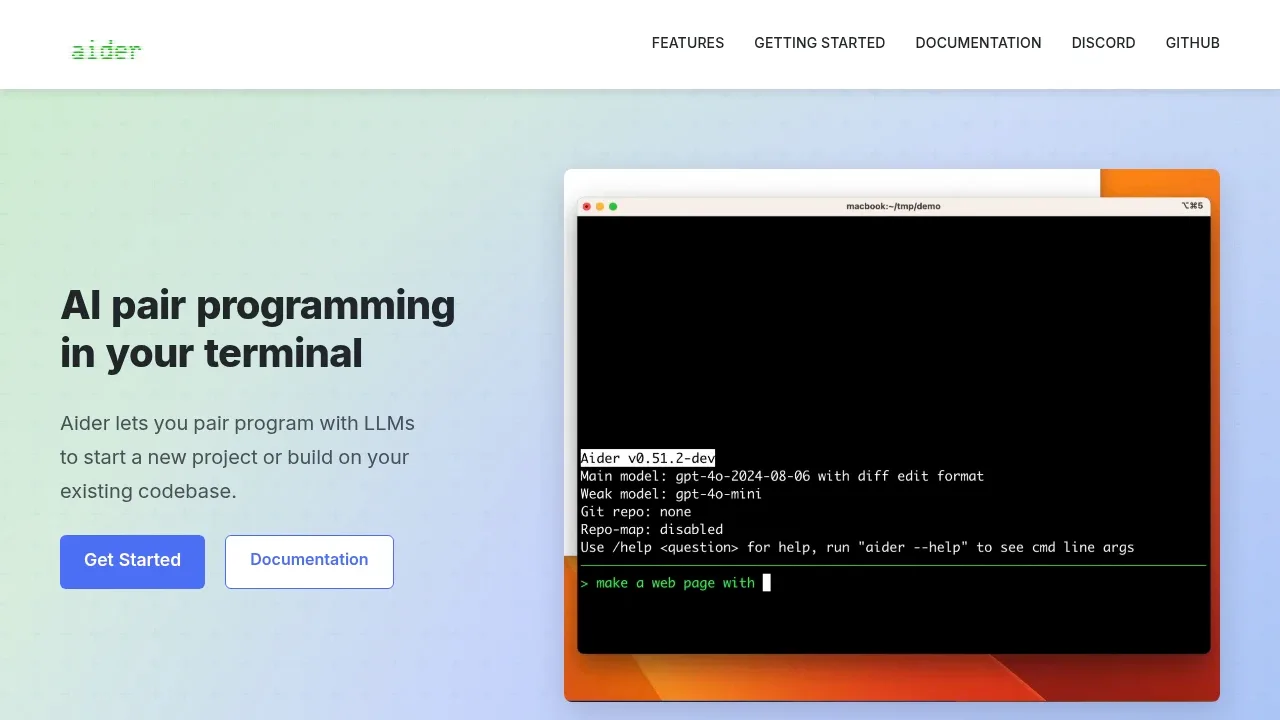
An open-source terminal coding assistant that edits projects with local or cloud LLMs, maps codebases and commits changes to Git.

Local terminal coding and research agent with persistent Python sessions and parallel subagents. Hosted model routes use subscription or API-key access.
Prime Agent covers repository work with persistent Python sessions and cooperating subagents. Background tasks survive a terminal disconnect, and saved goals or schedules let work continue within limits you set.

A self-hosted AI coding platform for teams, with offline private deployment, server-side task environments and GLM, Qwen and DeepSeek support.

An open-source terminal coding agent and Python toolkit that supports local models through llama.cpp, cloud providers, and MCP tools.
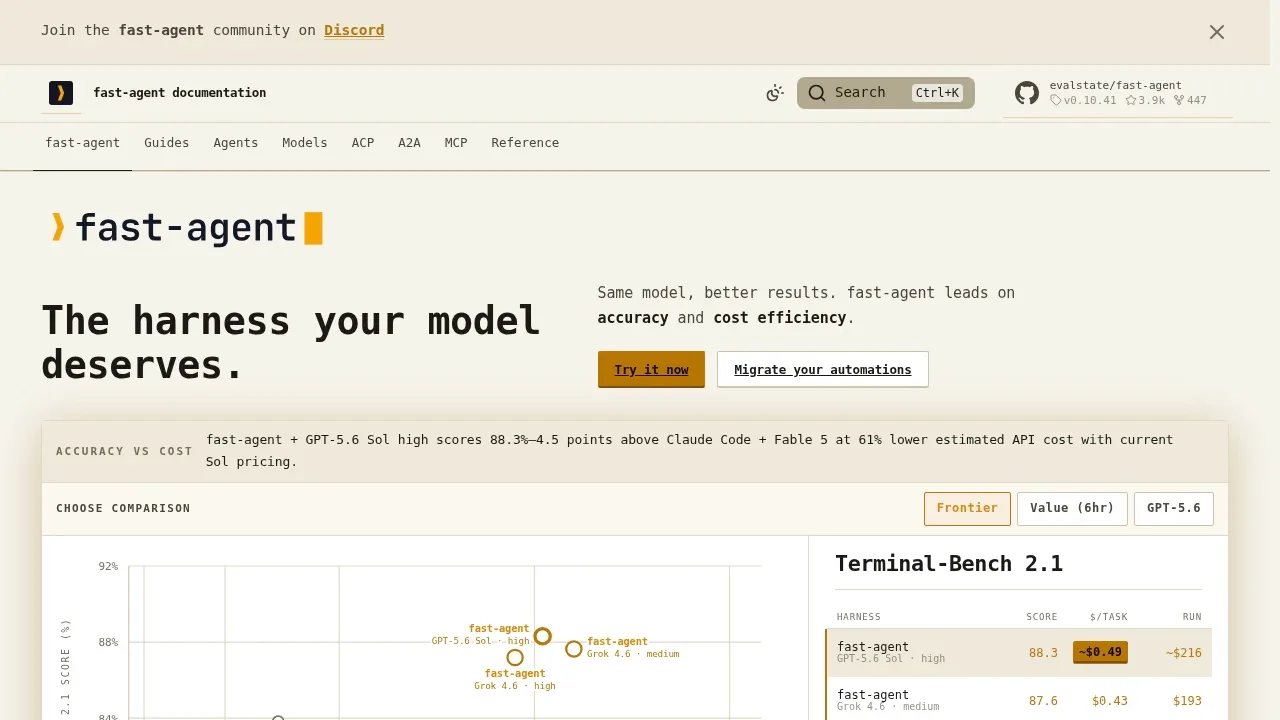
Fast Agent covers terminal coding and scripted agent tasks with shell tools and your chosen model. You can connect the same agents to compatible editors through ACP or reuse them in Python workflows.

A self-hosted coding assistant and Python agent framework that branches runs to compare approaches and supports local models through Ollama.
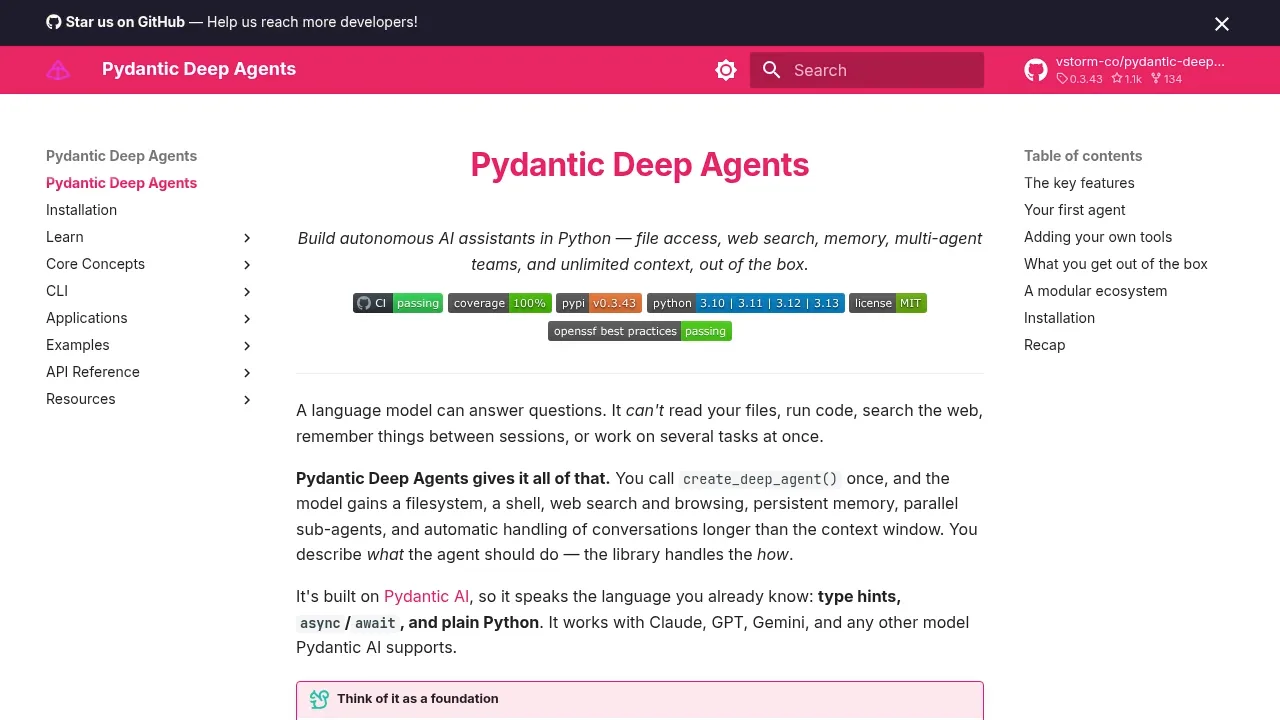
Pydantic DeepAgents covers repository changes with checkpoints and reviewable file edits. Parallel branches keep competing approaches separate, and an optional judge can use test results to help choose a continuation.
For Codex, start with OpenCode. Other alternatives include Qwen Code, Open Interpreter, Codewhale and Cline.
Most are Autonomous Coding Agents; others include Terminal Coding Agents.
People also replace
See all
Claude Code alternatives

Gemini CLI alternatives


Cursor alternatives
